CLEW Webinar: China, Russia, and Orbán’s energy gambit: how foreign powers are redrawing Hungary’s role on the EU stage
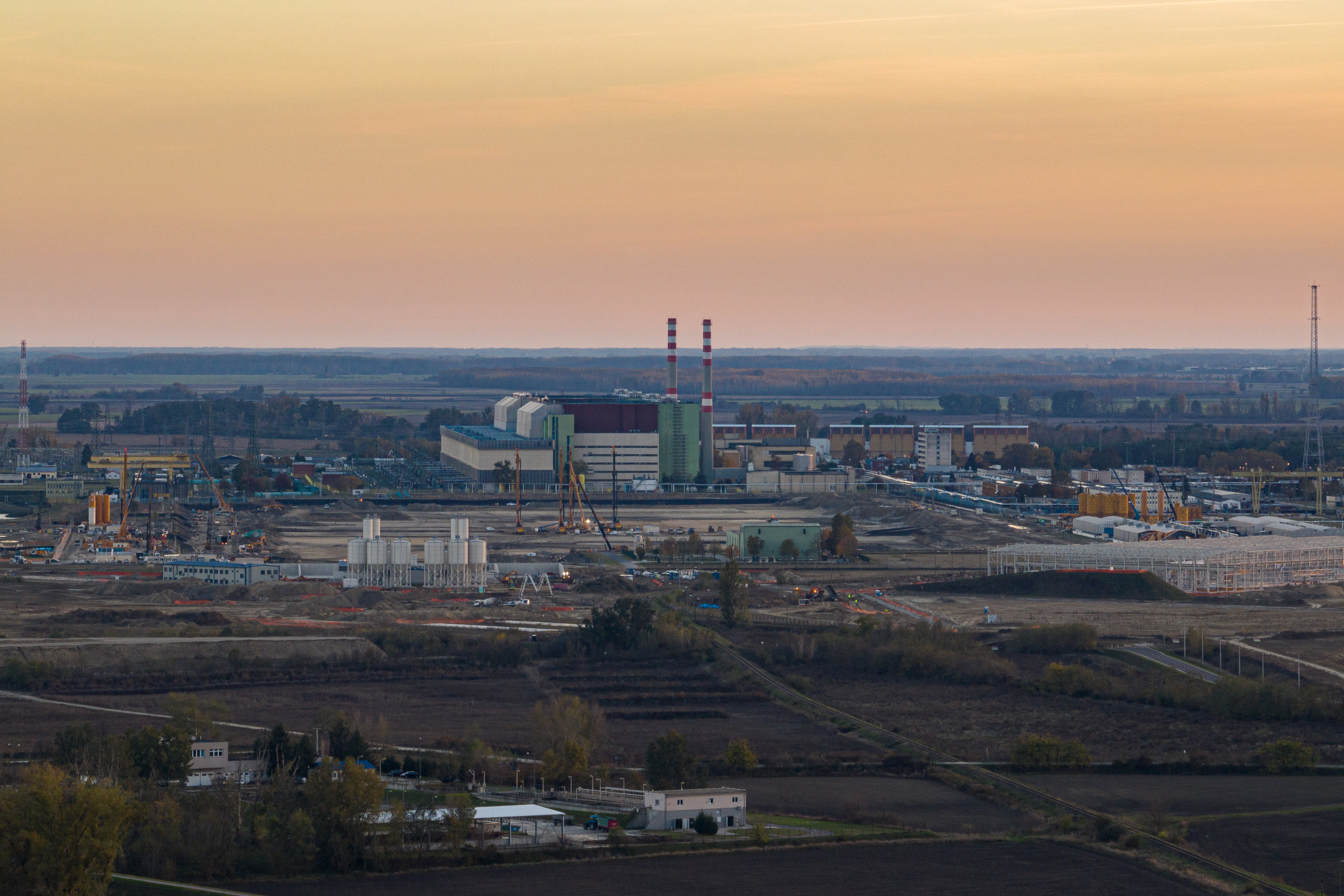
China has already completed a major EU infrastructure project, the Budapest-Belgrade railway, and is now investing in its largest overseas battery factory in Hungary. Meanwhile, the US has signed a civil nuclear energy cooperation agreement with Budapest, while Russia is pushing to expand Hungary’s only nuclear power plant, Paks II. Adding to the complexity, Orbán’s government rejects EU plans to phase out Russian gas and LNG by the end of 2027 and insists on resuming Russian oil imports through Ukraine.
As a follow-up to our first webinar (8 April) on the energy aspects of Hungary’s 2026 election, this webinar will explore the entanglements of Hungarian energy infrastructure with major actors outside the EU. We will examine the interests at stake, how the programmes of the competing parties differ on geopolitical questions, and what this means for Europe’s climate and energy future.
The webinar is open to journalists worldwide.
AGENDA
| 16.00 - 16.05 | Welcome and introduction by moderator Boris Schneider, Clean Energy Wire |
| 16.05 - 16.45 | Inputs on individual topics: • How Hungary's geopolitical alliances and its position within the EU are rooted in the programmes and ideology of the various parties: Eszter Kováts • How energy imports and FDI into infrastructure (oil, gas, nuclear fuel) shape Hungary’s economy and EU relations: Péter Magyari • Chinese investments in Hungary – chances and risks, and how they fit together with the EU’s policies: Vilmos Weiler |
| 16.45 - 17.30 | Q&A; open discussion |

Eszter Kováts, PhD, is a political scientist, and a Marie Skłodowska-Curie postdoctoral fellow in the Department of Political Science at the University of Vienna. Her doctoral thesis, which was later published as a book, compares the Orbán regime with the German radical right. Her most recent book, an edited volume entitled Culture Wars in Europe, was published in 2023. Her current research focuses on the rhetoric of culture wars on the left in Germany. In Hungary, she is a political commentator and a regular guest on the Partizán YouTube channel. For the current electoral campaign, she has a column on 24.hu.
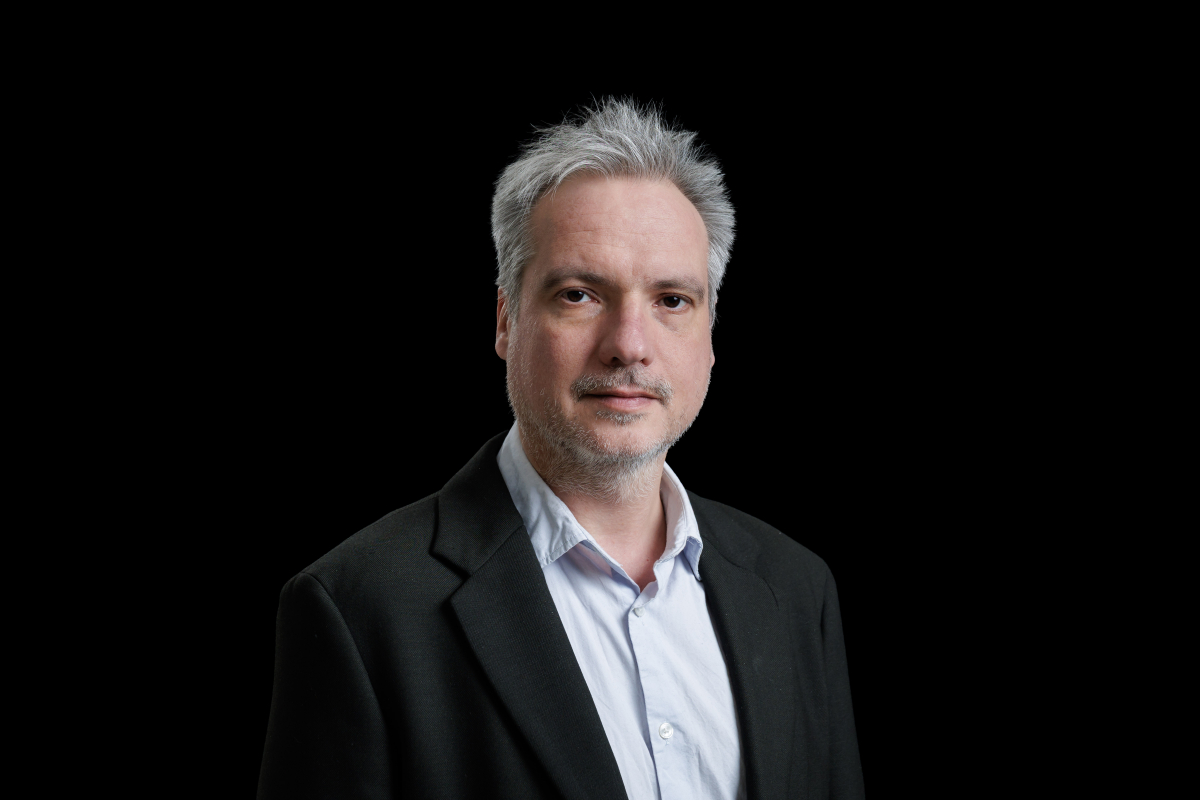
Péter Magyari has been a journalist in Hungary since 1999, and is currently a staff member of the conservative-liberal Válasz Online. For the past twenty years, he has continuously written about energy, especially about natural gas trade, Russian-Hungarian deals, and the effects of EU regulations on Hungary.

Vilmos Weiler is a Hungarian journalist and a social scientist, working as a staff member of the news site Telex. Since 2023, he has been publishing regularly on battery manufacturing in Hungary; in a paper released last November, he examined the political considerations behind the financial support for the sector.

FREQUENTLY ASKED QUESTIONS
How can I sign up?
Please click on the red "Sign up"-Button and fill in the necessary information. Remember to confirm your sign up via the automatic email you receive from us (it could land in your spam folder).
Signing up is possible until 2 hours prior to the web event.
Will the event be on the record?
Yes, all speakers are speaking on the record.
Will the event be recorded?
No, the event won't be recorded.
Which language will be spoken?
The web-event language is English.
How can I improve the sound quality?
Sound quality is greatly improved by using headsets with a microphone. It is recommended that all active participants equip themselves accordingly (smartphone headsets are sufficient).