CLEW Webinar: End to Orbán’s rule? What Hungary’s elections mean for climate and energy policy
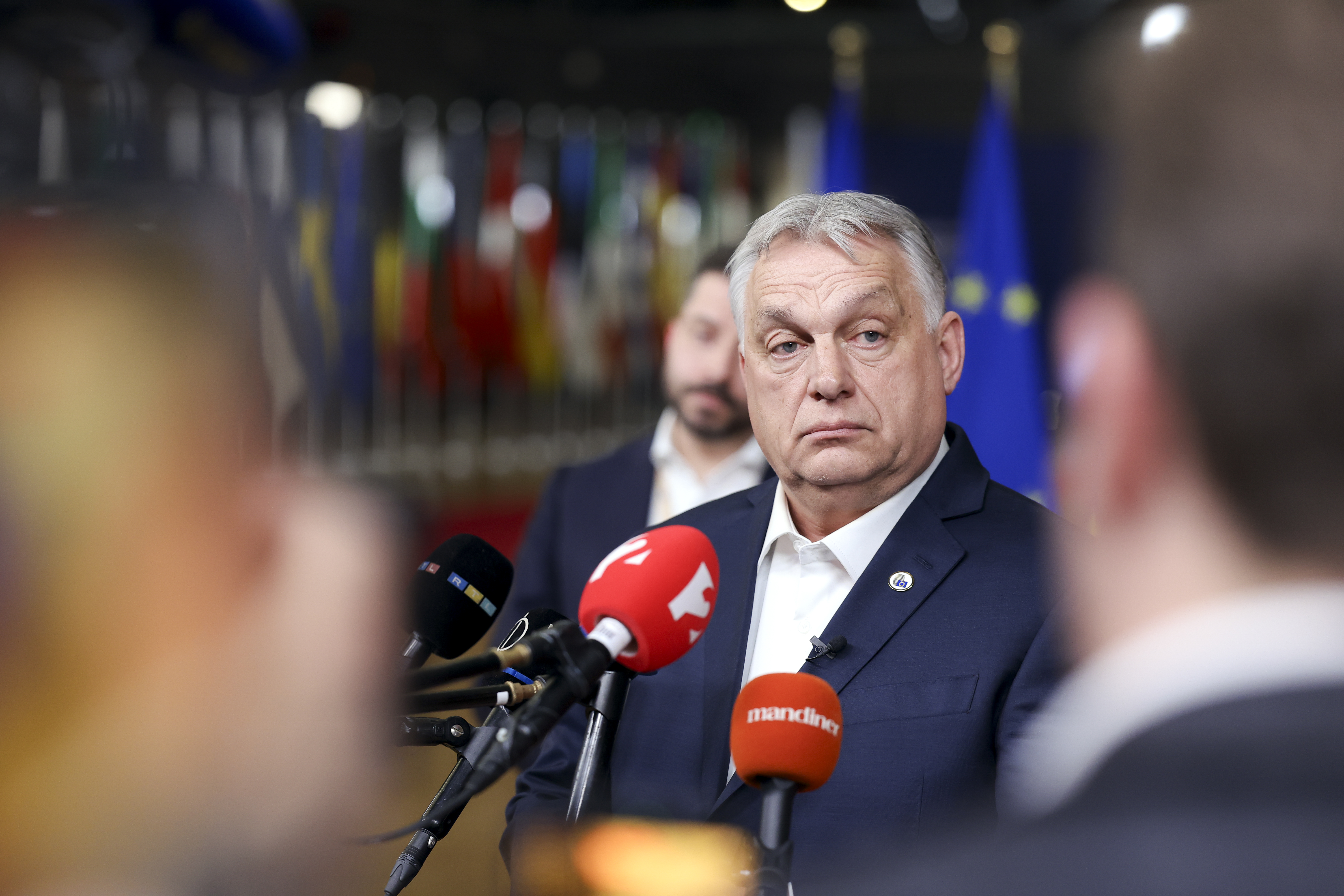
In the first of two webinars, open to journalists from across the world, experts will discuss the climate and energy plans of Hungary’s main parties; Orbán’s bet on nuclear energy and EV batteries and its consequences; Hungary’s blockade of EU climate deals and its impact on Brussels; and the country’s role in Europe’s lithium rush and what it means for local communities.
Journalists will get a chance to ask the experts questions. You can also join the second webinar on 9 April, where we go deeper into the interests of powerful actors such as China, Russia and the US in securing stakes in Hungary’s energy infrastructure.
AGENDA
| 16.00 - 16.05 | Welcome and introduction by moderator Clemens Schöll, Clean Energy Wire |
| 16.05 - 16.35 | Inputs on individual topics: General overview of climate and energy issues in the Hungarian election: István Bart Climate and energy plans and decisions of the various parties: Ada Ámon The battery conflict: Orsolya Fülöp |
| 16.35 - 17.30 | Q&A; open discussion |
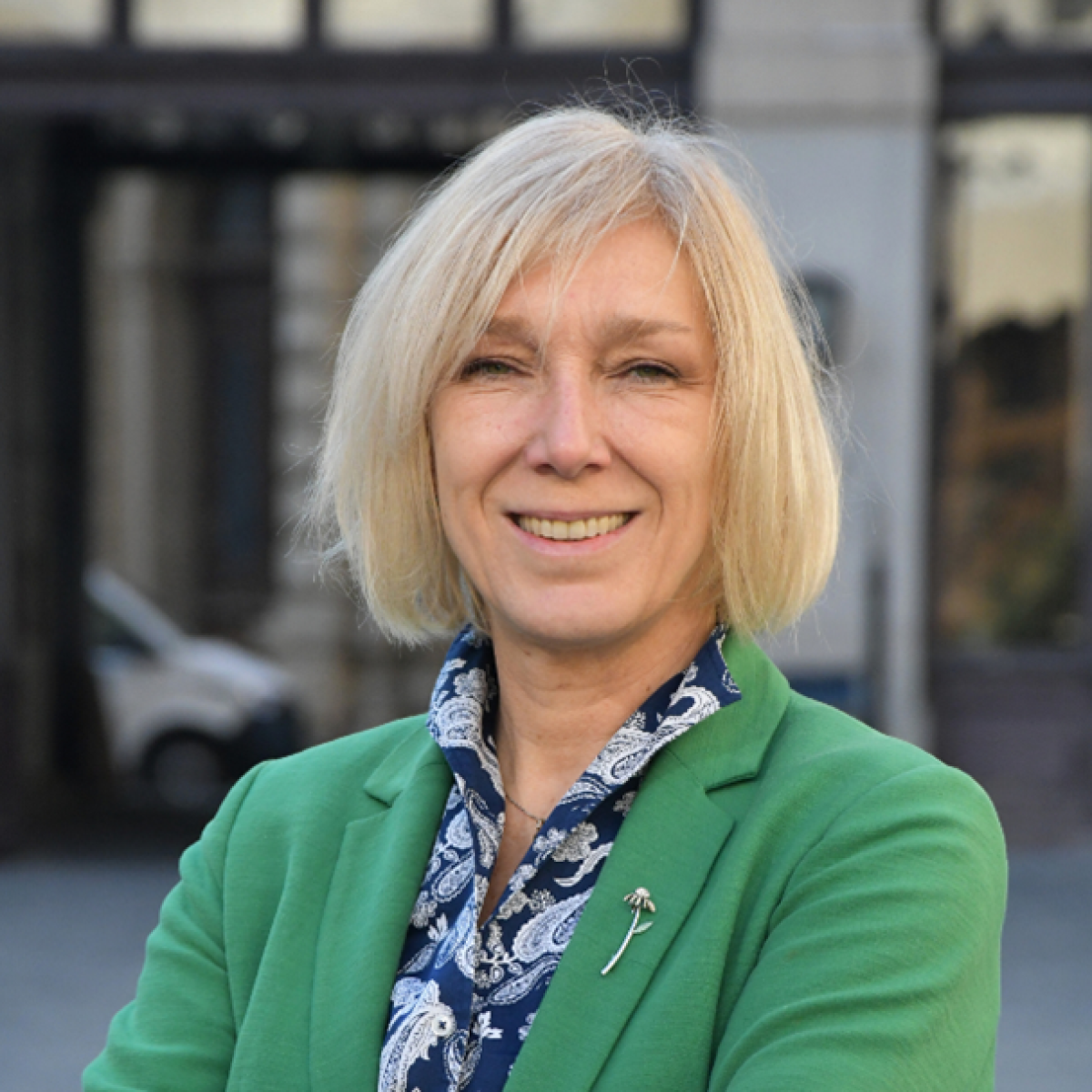
Ada Ámon, former Head of Department of Climate and Environmental Affairs at the Budapest City Hall and formerly with E3G. Ada has been involved in climate and energy policy issues for more than 30 years. She joined the City Hall of Budapest in 2019 as the mayor’s chief advisor on climate, then built up the long-missing climate department and finally became the founding ED of the Budapest Climate Agency. She worked with E3G (Third Generation Environmentalism). Before that she was the founding CEO of the Budapest based thinktank, Energiaklub for more than 15 years. Listed among the most influential women by Forbes (2015) and awarded with the title “Women in Energy” by the European Commission (2020).
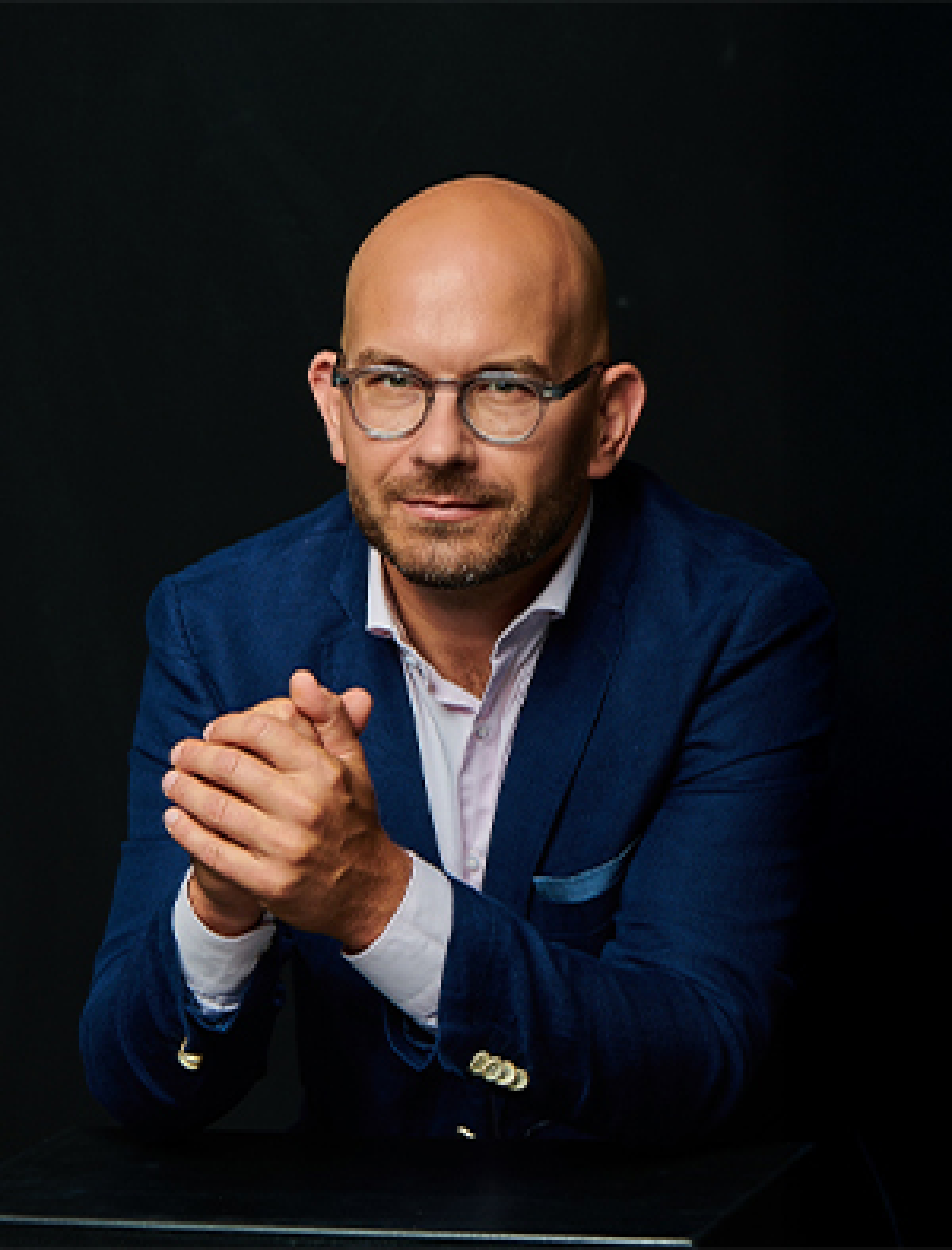
István Bart, climate policy and carbon markets expert. István has over 20 years of experience in climate policy development and management on an international, European, and national level. In his current role as Senior Director, Carbon Pricing, Environmental Defense Fund, he works on supporting the development of India’s new emissions trading system and in issues related to trade and climate, including CBAM. Between 2005 and 2011, he played a key role in the implementation of the EU Emissions Trading System (EU ETS) as an official in the Directorate General for Climate of the European Commission. Prior to joining EDF, he worked as an international consultant focusing on emissions trading-related projects in the Balkan countries, Ukraine, Kazakhstan and China. Istvan is based in Budapest, Hungary, where he is also active as a climate policy communicator. He recently published a book on climate change, primarily for lay audiences in his home country.
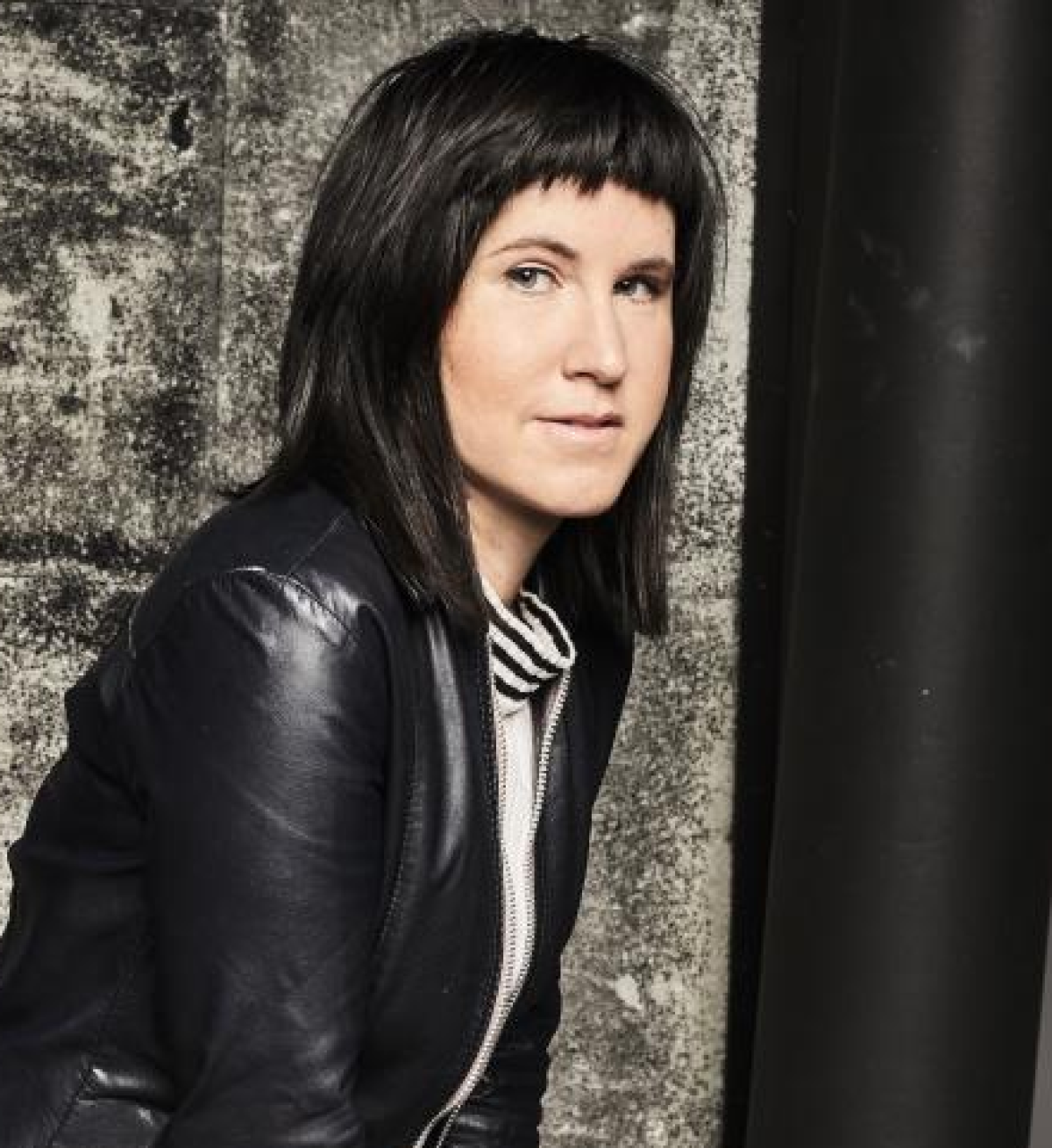
Orsolya Fülöp, investigative journalist at atlatszo.hu. Orsolya primarily covers climate and energy issues at Átlátszó. She regularly reports on nuclear power plants, e.g. how they have been warming up the river Danube. As part of the team, she has been closely following battery investments in Hungary as well as the plans to open lithium mines in the region. Before joining Átlátszó, she spent more than 10 years working in an environmental think&do tank NGO, and worked in the Environment and Climate Department of the Budapest Municipality as well.

FREQUENTLY ASKED QUESTIONS
How can I sign up?
Please click on the red "Sign up"-Button and fill in the necessary information. Remember to confirm your sign up via the automatic email you receive from us (it could land in your spam folder).
Signing up is possible until 2 hours prior to the web event.
Will the event be on the record?
Yes, all speakers are speaking on the record.
Will the event be recorded?
No, the event won't be recorded.
Which language will be spoken?
The web-event language is English.
How can I improve the sound quality?
Sound quality is greatly improved by using headsets with a microphone. It is recommended that all active participants equip themselves accordingly (smartphone headsets are sufficient).