
Alliance of more than 50 countries rallies behind push to exit oil, coal, and gas
Contents
[Note: We will continuously update this dossier as stories are published in the regional outlets.]
As global efforts to transition away from fossil fuels continue to stall in formal UN climate negotiations, ministers and officials at the first Conference on Transitioning away from Fossil Fuels emphasised electrification and renewables as the key to resilience and climate action.
“The sobering reality is that Europe in particular is being held hostage by things it cannot control,” EU climate commissioner Wopke Hoekstra told journalists. “We are simply too dependent in terms of energy,” a vulnerability the energy crises of the past decades had exposed.
“The only way forward is to continue at speed with all the alternatives we have to importing fossil fuels,” said the official. “That means going all out on electrification, solar, wind power, heat pumps, interconnectors between our member states, and nuclear.”
The summit in Santa Marta represented a key milestone in this year’s international climate agenda, seven months ahead of UN climate change conference COP31 in Antalya, Turkey. Ministers, senior officials and civil society gathered in plenary and thematic sessions to discuss pathways for a just transition away from fossil fuels.
Co-hosts Colombia and the Netherlands identified five key outcomes of the conference:
- a commitment to hold a follow-up conference in 2027, co-hosted by Tuvalu and Ireland
- a coordination group of countries will be established to ensure the process continues
- a conference report will be handed to the UN at the New York Climate Week in September 2026
- continued work on roadmaps to transition away from fossil fuels, leveraging financial systems, and fossil fuel-free trade systems
- the launch of the Science Panel for the Global Energy Transition (SPGET), which will help countries develop roadmaps away from fossil fuels
[Also read: “Milestone” conference shows transition away from fossil fuels “unstoppable” – German official]
Costs of the energy transition in the Caribbean

Ryan Bachoo (Trinidad and Tobago) - CNC3 Television
Ryan Bachoo will focus on the costs of the energy transition in the Caribbean.
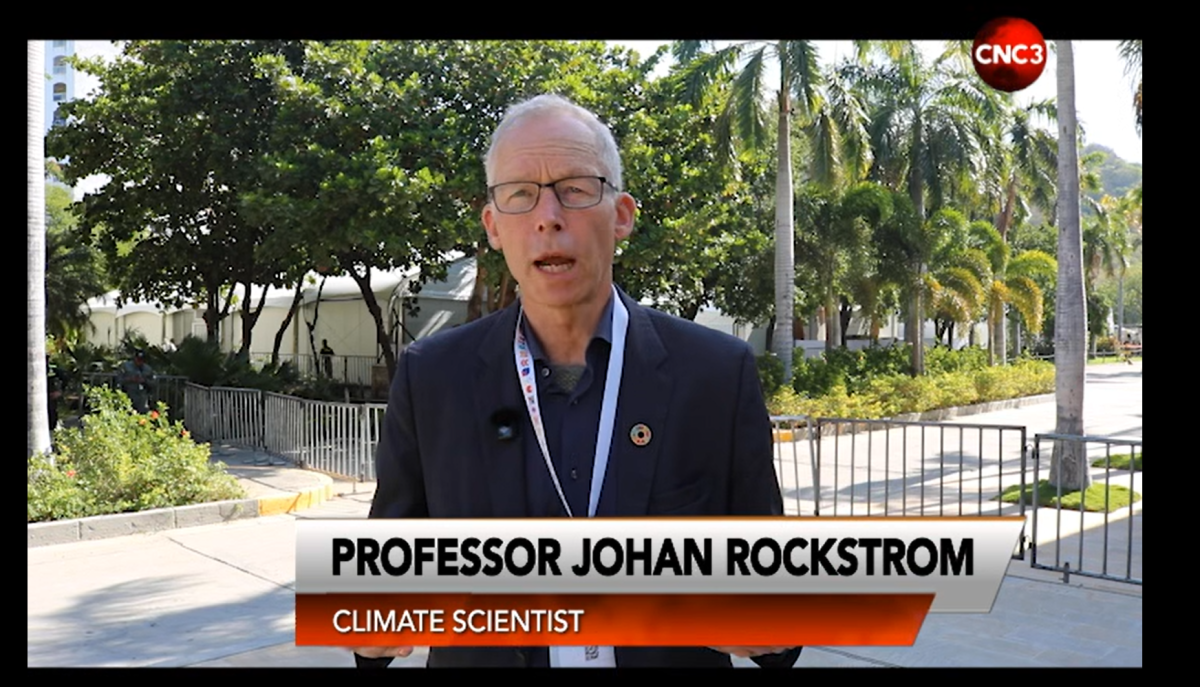
> Interview with Johan Rockström, director of the Potsdam Institute for Climate Impact Research
The climate scientist tells Ryan that the world knows how to find pathways away from fossil fuels.
> ‘Caribbean at risk in delaying renewable adoption’
The International Renewable Energy Agency (IRENA) will launch a Latin America and Caribbean initiative this October, IRENA's director general, Francesco La Camera, told Ryan in an interview. Watch the full interview here.
Building a healthy, just and financially viable transition

Cecilia Butini (Spain)
Cecilia is reporting on the political and economic intricacies of the energy transition, on the intersection of health and climate change, and on the role of indigenous communities amid the transition.
> Underused power plants, high costs: EU pays the price for its dependence on gas
Despite successive energy crises, Europe continues to fund fossil fuels, while carbon lock-in weighs on member states' economies.
How to leave no one behind in a just transition

Itzel Gómez Gurrola (Mexico) – Canal Once
Itzel focuses on indigenous communities and young people in the energy transition, as well as costs of fossil fuels versus renewables.

> First conference on the Transitioning away from Fossil Fuels - high-level day one wrap-up
In Spanish
Itzel with a report on the first day of the conference in Santa Marta.
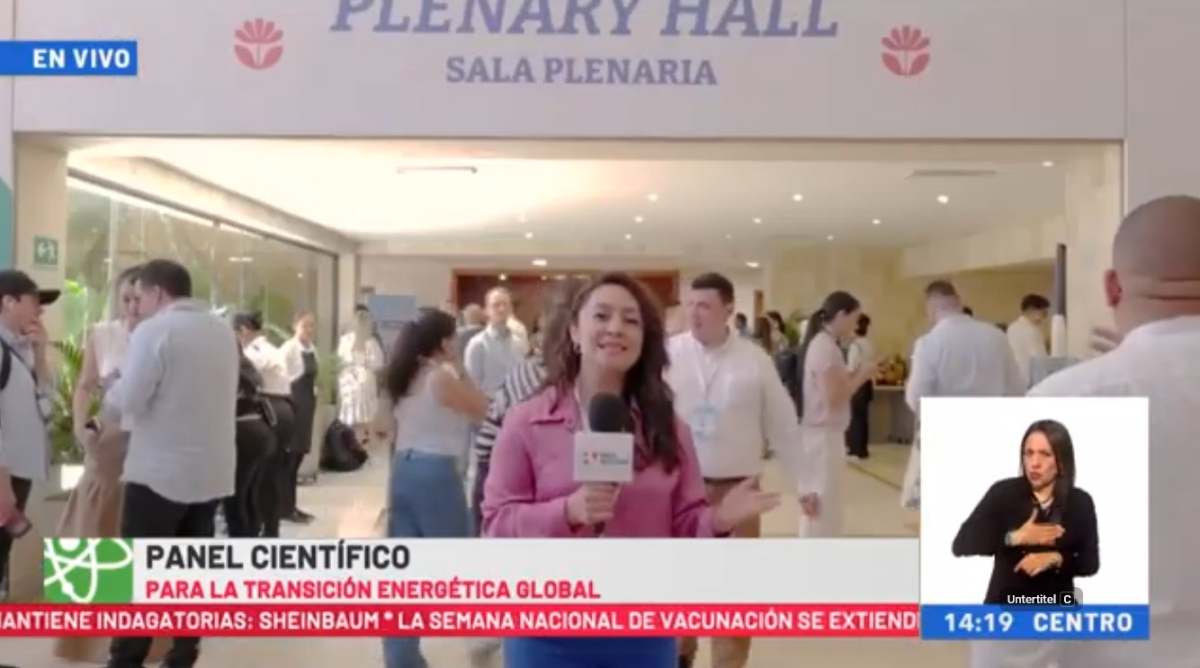
> Scientific panel for the energy transition
In Spanish
Itzel with a report on the creation of the Scientific Panel for the Global Energy Transition.
> Young people driving the energy transition
In Spanish
Itzel with a report on the role of younger generations in the phase-out of fossil fuels.
> "Another environmental democracy" - Irene Vélez
Itzel reporting on the high-level segment and the outcomes of the Santa Marta conference.
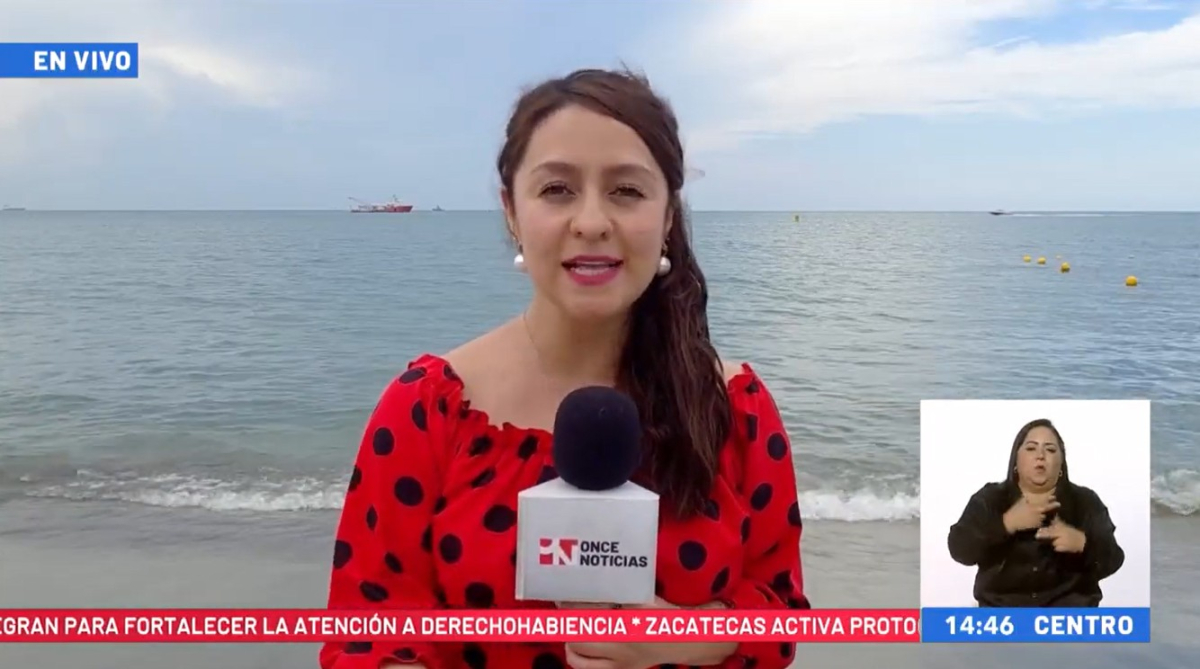
> "Capital can commit suicide": Gustavo Petro
A report on the causes and impacts of climate change and the importance of a just transition away from fossil fuels.
A new era for international climate diplomacy

Alma Ómarsdóttir (Iceland) – RUV
Alma looks at what makes this conference different from other climate-conventions and global summits and whether it will truly make a difference for a fossil fuel phase-out.
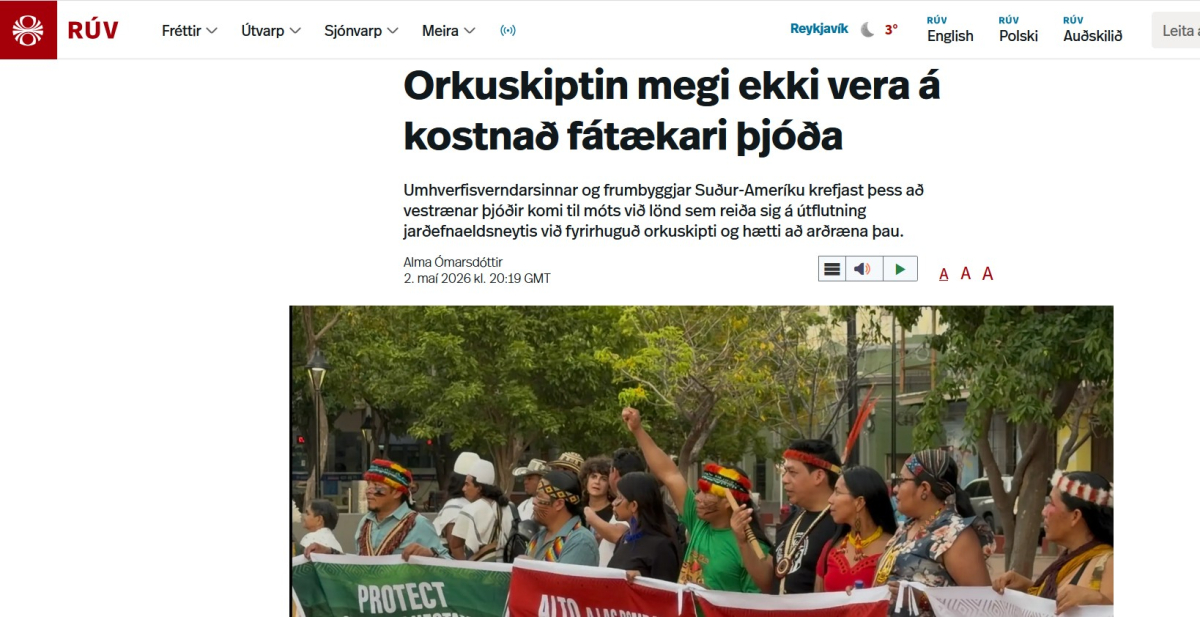
> The energy transition must not come at the expense of poorer nations
In Icelandic
Environmentalists and indigenous peoples of South America are demanding that Western nations compensate countries that rely on exporting fossil fuels for the planned energy transition, and stop exploiting them.
> Aim to eliminate the use of fossil fuels
In Icelandic
The International Climate Conference in Colombia is the first environmental conference to focus on the energy transition and how the world's nations can say goodbye to fossil fuels.
Overcoming hurdles in efforts to phase out fossil fuel subsidies

Milou Dirkx (The Netherlands/EU) – Clean Energy Wire
Milou will see whether the push for fossil fuel subsidy reforms will move from inventarisation to action.
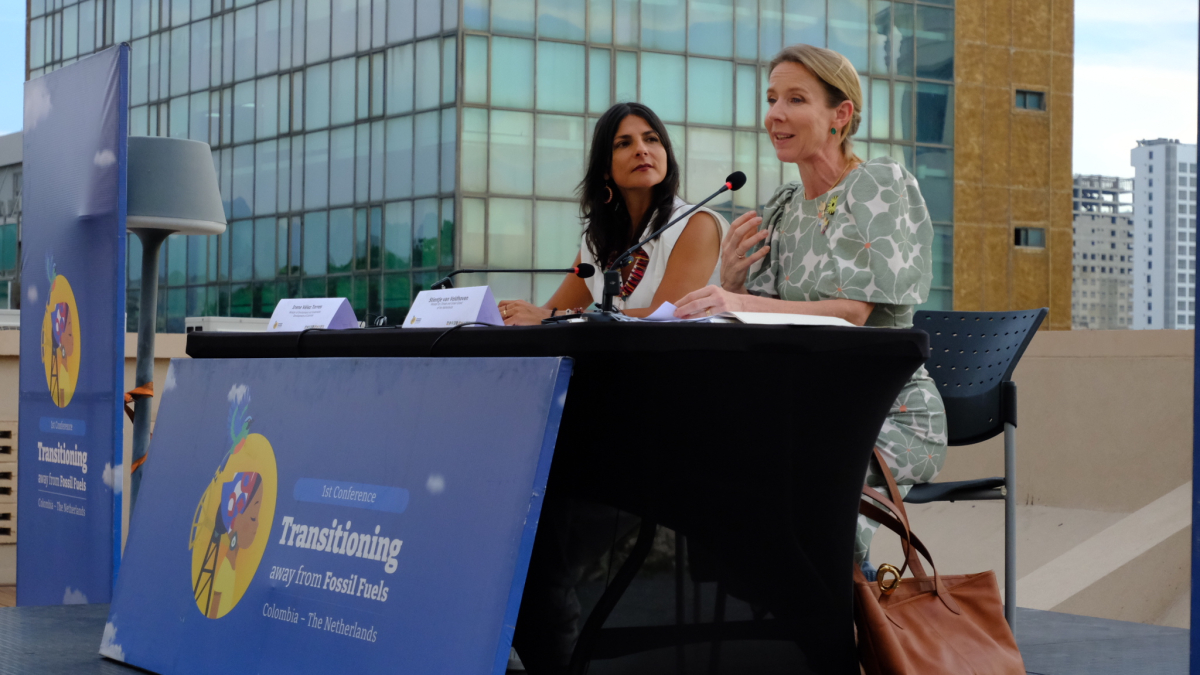
> Fossil fuel subsidy phase-out stalls as states hide behind international coordination
As the energy crisis pushes fossil fuel subsidies to new highs, governments are hiding behind the need for international coordination to avoid cutting support for oil and gas at home, a civil society watchdog warns. Even the Netherlands, co-organiser of the first-ever international conference on moving away from fossil fuels, has “unambitious” plans to end these subsidies, half of which the country could do without international coordination.
> The climate summit in Colombia results mainly in intentions
In Dutch
The day before the first international summit focused on phasing out oil, gas and coal was due to begin, the Netherlands, as co-organiser, approved a plan to speed up gas extraction from small fields. This does not benefit the country's credibility at the conference.
Is Germany on track to ditch fossil gas?

Julian Wettengel (Germany) – Clean Energy Wire
Julian takes a fresh look at the state of Germany's transition away from fossil gas.
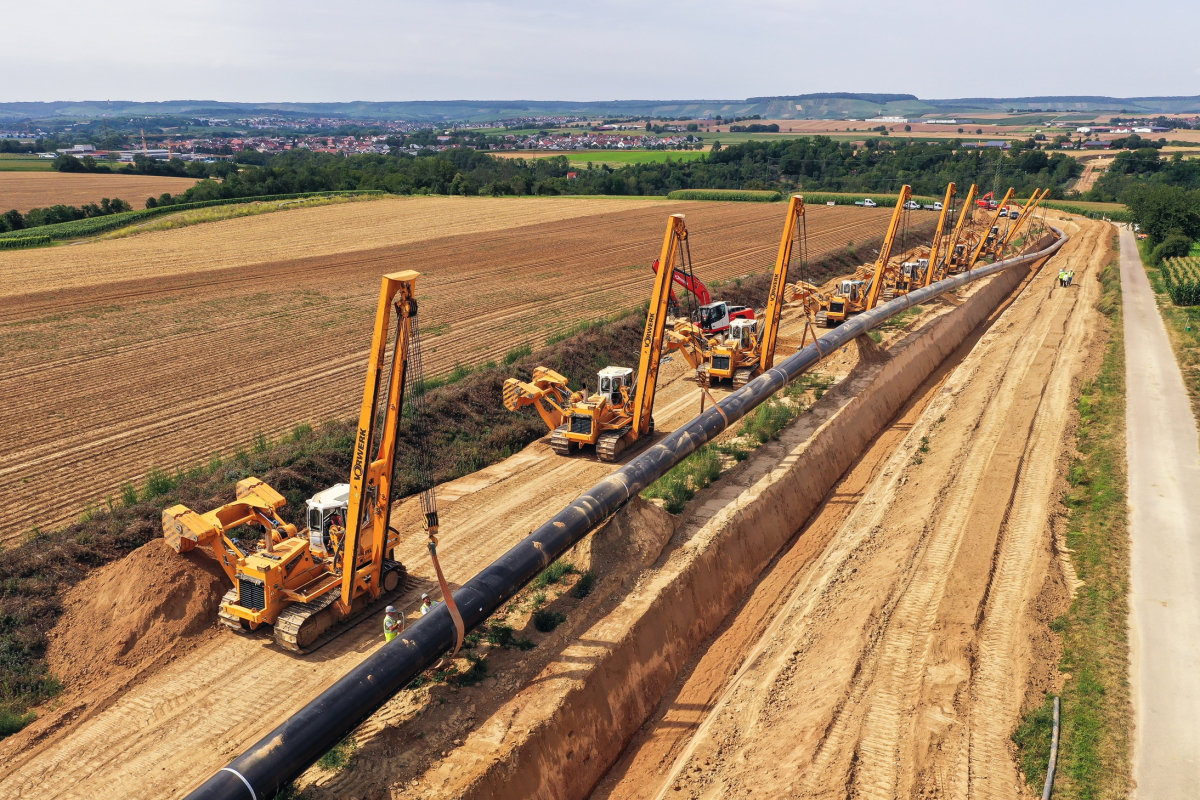
> Germany’s gas exit under way as challenges in heating and industry linger
Germany must overcome major hurdles in the heating sector, heavy industry, and the grid to advance the country's fossil gas phase-out in line with climate targets. Demand has fallen significantly as a result of the COVID-19 pandemic and the energy crisis, but researchers call on the government to come up with a clear exit roadmap to help reach climate neutrality by 2045. Planned new gas power plants, liquefied natural gas (LNG) import deals and efforts to reform heating transition rules contrast with the government’s international calls for the phase-out of the climate-damaging fossil fuel.
> Germany must join global initiatives to phase out fossil fuels – Green MP
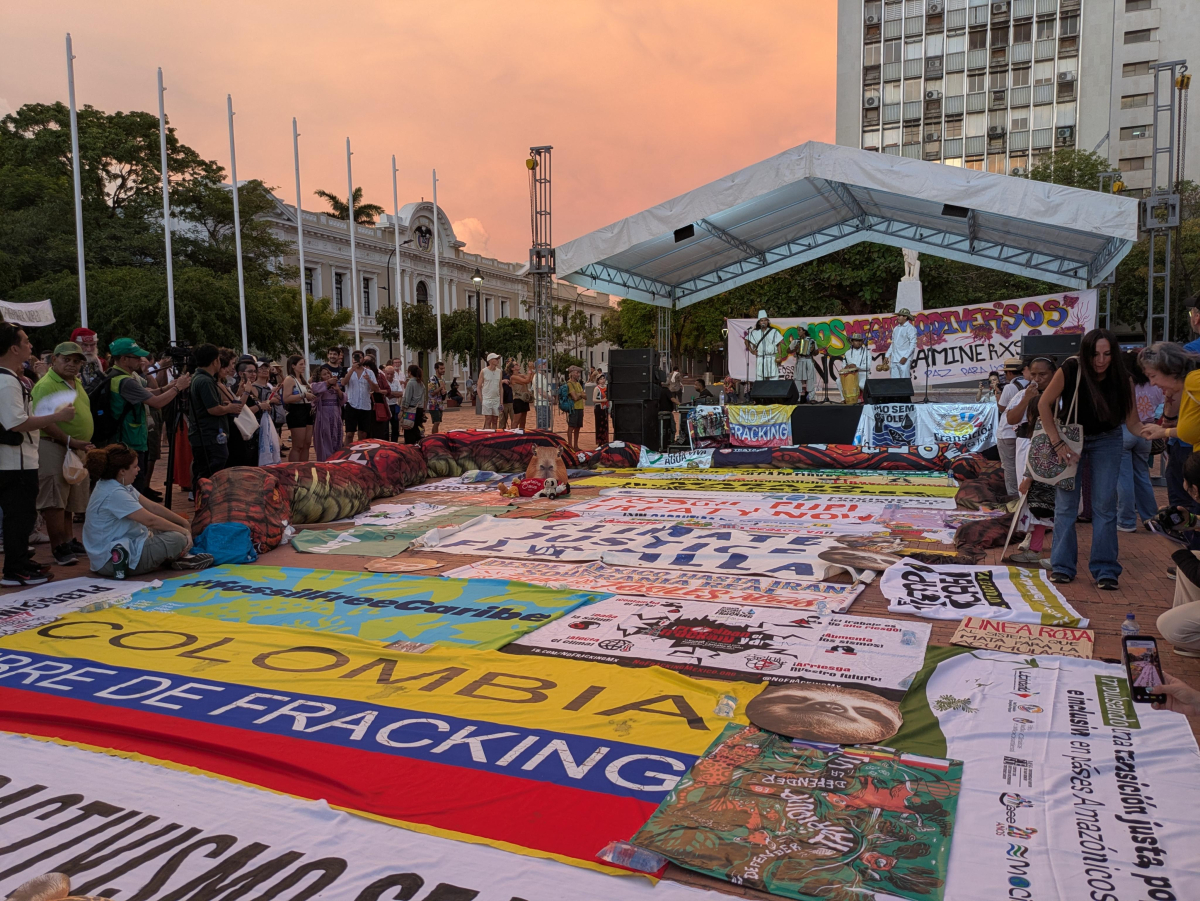
Germany's government is scaling back its climate ambitions amid growing international pressure to phase out fossil fuels, says Green Party parliamentarian Michael Kellner. As representatives of almost 60 nations gather in the Colombian city of Santa Marta to accelerate the oil, gas and coal phase-out, the former parliamentary state secretary in the climate and energy ministry warns that the new government's energy policy risks leaving the country behind.
> Germany presents fossil fuel transition plan, reaffirms 2045 climate target
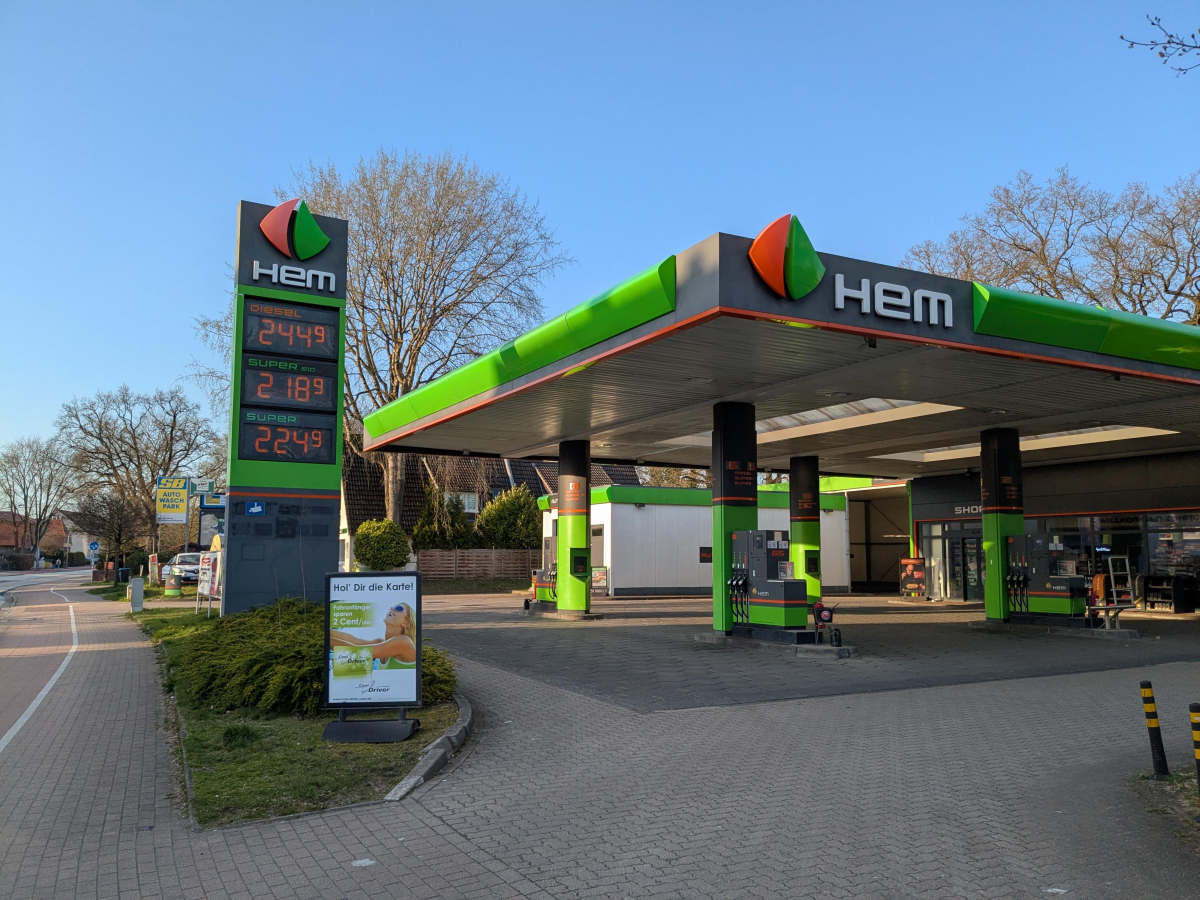
Germany has presented a roadmap to move away from using oil, coal and gas by 2045, becoming the third country after France and the Netherlands to publish such a national plan. Civil society groups welcomed its international signal but said the government's own policies – from gas-plant subsidies to a contested renewables reform – are working against the transition at home.