
Climate change meets sport: Wildfire-recovering Los Angeles gears up to host Summer Olympic Games
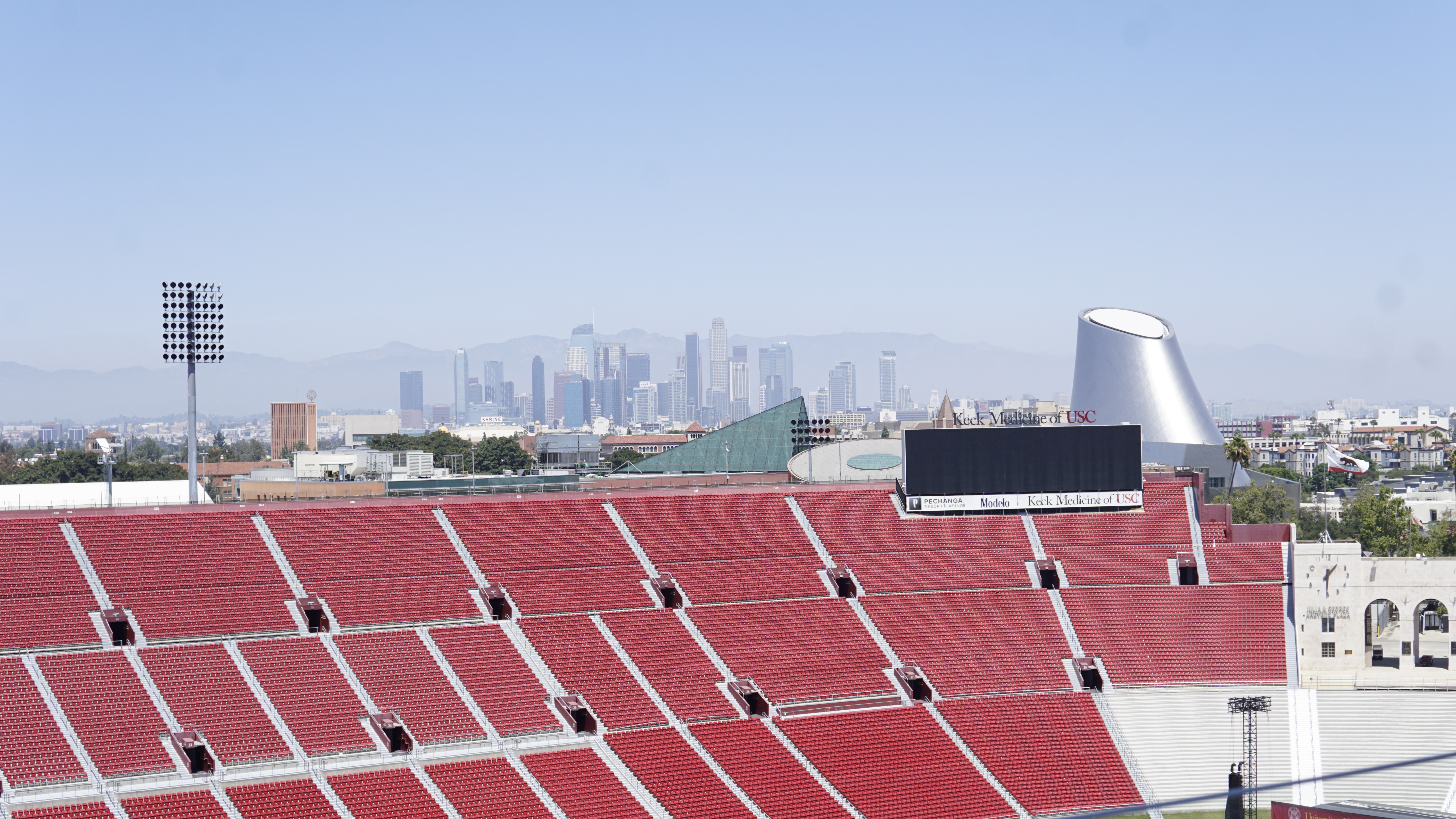
LA’s experience rebuilding from the climate disaster while preparing to host FIFA World Cup matches this summer, the Super Bowl in 2027, and the 2028 Summer Olympic and Paralympic Games offers a unique glimpse into the future of mass sporting events in the face of intensifying global warming – and what they mean for host cities.
What is happening to mitigate their impact? How do the Olympics have to change to address the climate risks they face? And can the needed investments to prepare cities for the influx of sporting fans lead to better mobility options, the expansion of clean infrastructure, and more resilient open spaces in the long term?
In this one-hour webinar, open to all, we’ll discuss the answers to these questions, drawing on LA’s experience.
Our correspondent Carolina Kyllmann, returning directly from the city with her first-hand investigation, will be joined by Climate Home News journalist Joe Lo, who has reported on the threats climate change poses for athletes, and by LA-based journalist Alissa Walker, who runs Torched, where she extensively covers the city's mega event planning and urban infrastructure changes.
We look forward to your questions and a lively discussion.
AGENDA
| 16.00 - 16.05 | Welcome and introduction by Carolina Kyllmann, Clean Energy Wire |
| 16.05 - 16.35 | Inputs on individual topics: How climate change affects top sporting events, and how organisers are responding: Joe Lo LA's Olympic history and how the city is preparing for the next Olympic Games: Caro Kyllmann How public infrastructure has and hasn't changed in LA ahead of mega sporting events: Alissa Walker. |
| 16.35 - 17.00 | Q&A; open discussion |

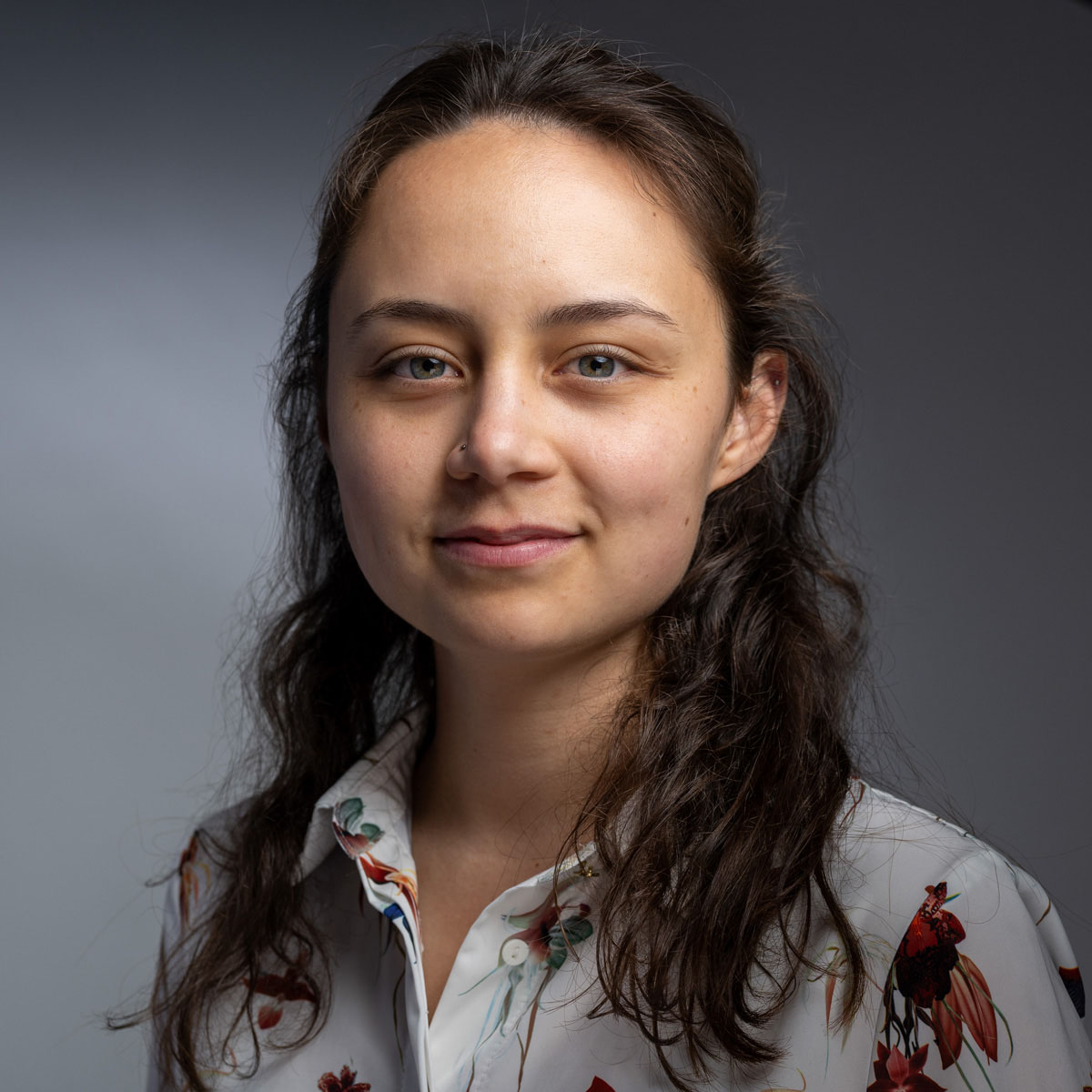
Carolina Kyllmann is a correspondent at Clean Energy Wire. Besides covering the ins and outs of Germany’s energy transition, her work follows climate resilience stories. Whether its city’s efforts to adapt to heatwaves or how climate change reshapes how we handle water, Carolina has also written about the hidden climate impacts of the way we build. A former sports journalist, Carolina also used to fence and is now an enthusiastic ultra-runner on quiet trails.
In early 2026, she received a grant to research how Los Angeles prepares to host the 2028 Summer Olympic Games, and how the city’s experience with devastating wildfires influence plans and investments with long-term climate resilience, mitigation, and adaptation effects.
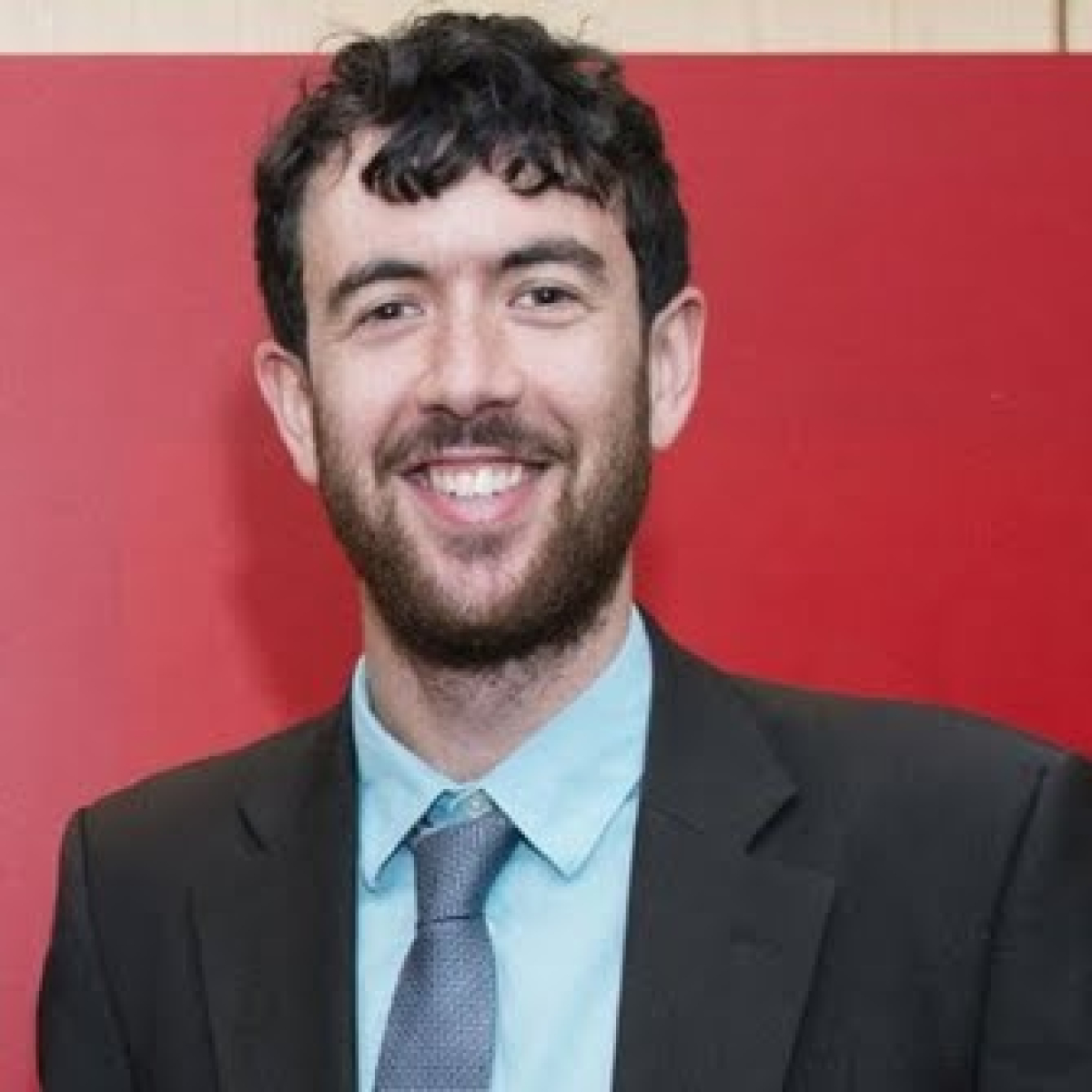
Joe Lo is the news editor of Climate Home News, covering climate diplomacy, impacts and responses all around the world. He has remotely covered the climate impacts of past Olympic Games, including the Tokyo and Beijing Summer Olympics and the Milan Winter Olympics in the past.
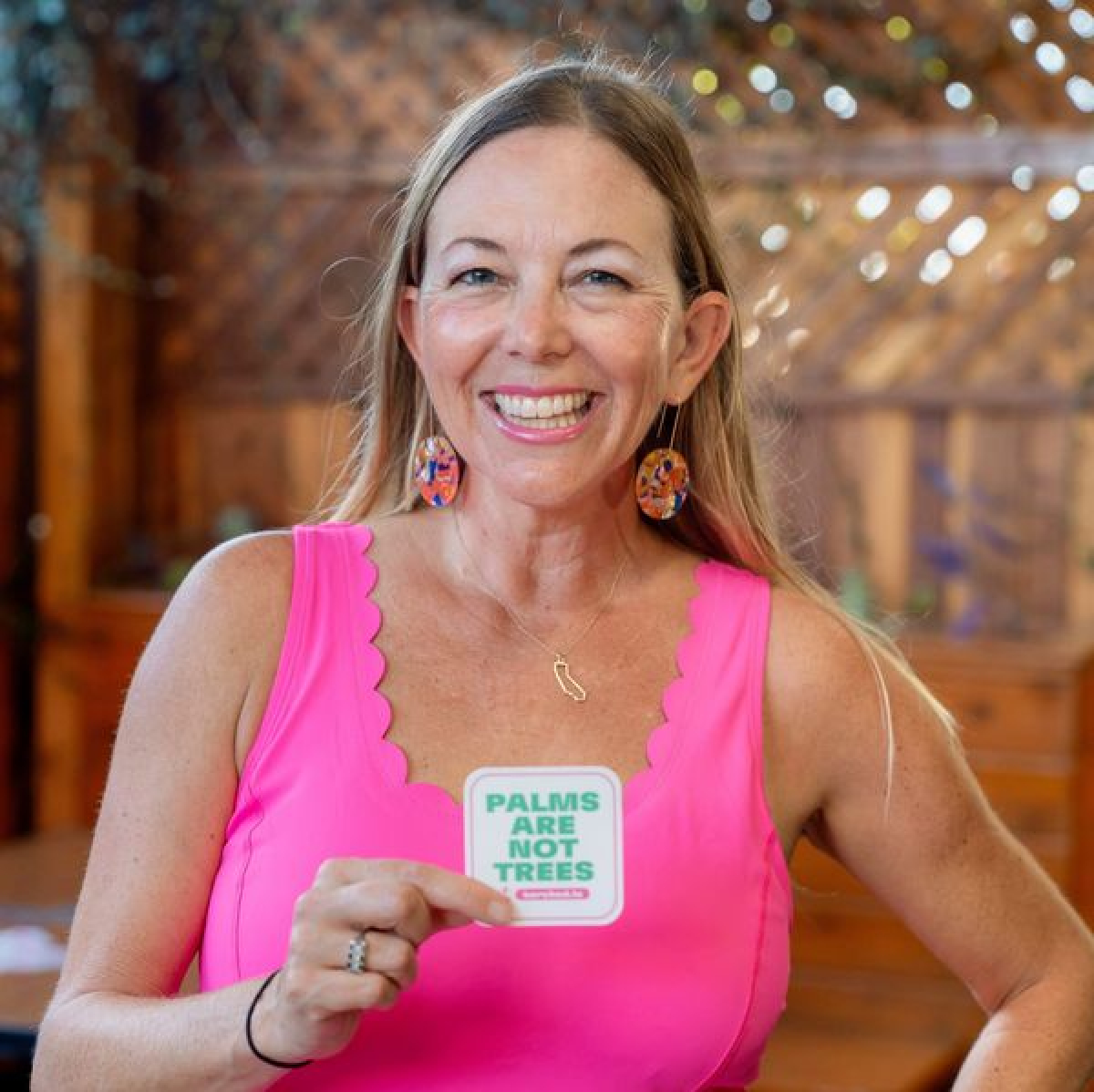
Alissa Walker has written about Los Angeles transportation, housing, urban design, public space, and environmental policy for 20 years. She is the editor of Torched, which reports on the civic investments and policy decisions that Los Angeles is making in preparation for its megaevent-hosting era.
FREQUENTLY ASKED QUESTIONS
How can I sign up?
Please click on the red "Sign up"-Button and fill in the necessary information. Remember to confirm your sign up via the automatic email you receive from us (it could land in your spam folder).
Signing up is possible until 2 hours prior to the web event.
Will the event be on the record?
Yes, all speakers are speaking on the record.
Will the event be recorded?
No, the event won't be recorded.
Which language will be spoken?
The web-event language is English.
How can I improve the sound quality?
Sound quality is greatly improved by using headsets with a microphone. It is recommended that all active participants equip themselves accordingly (smartphone headsets are sufficient).