
Germany adopts new heating energy rules amid widespread criticism
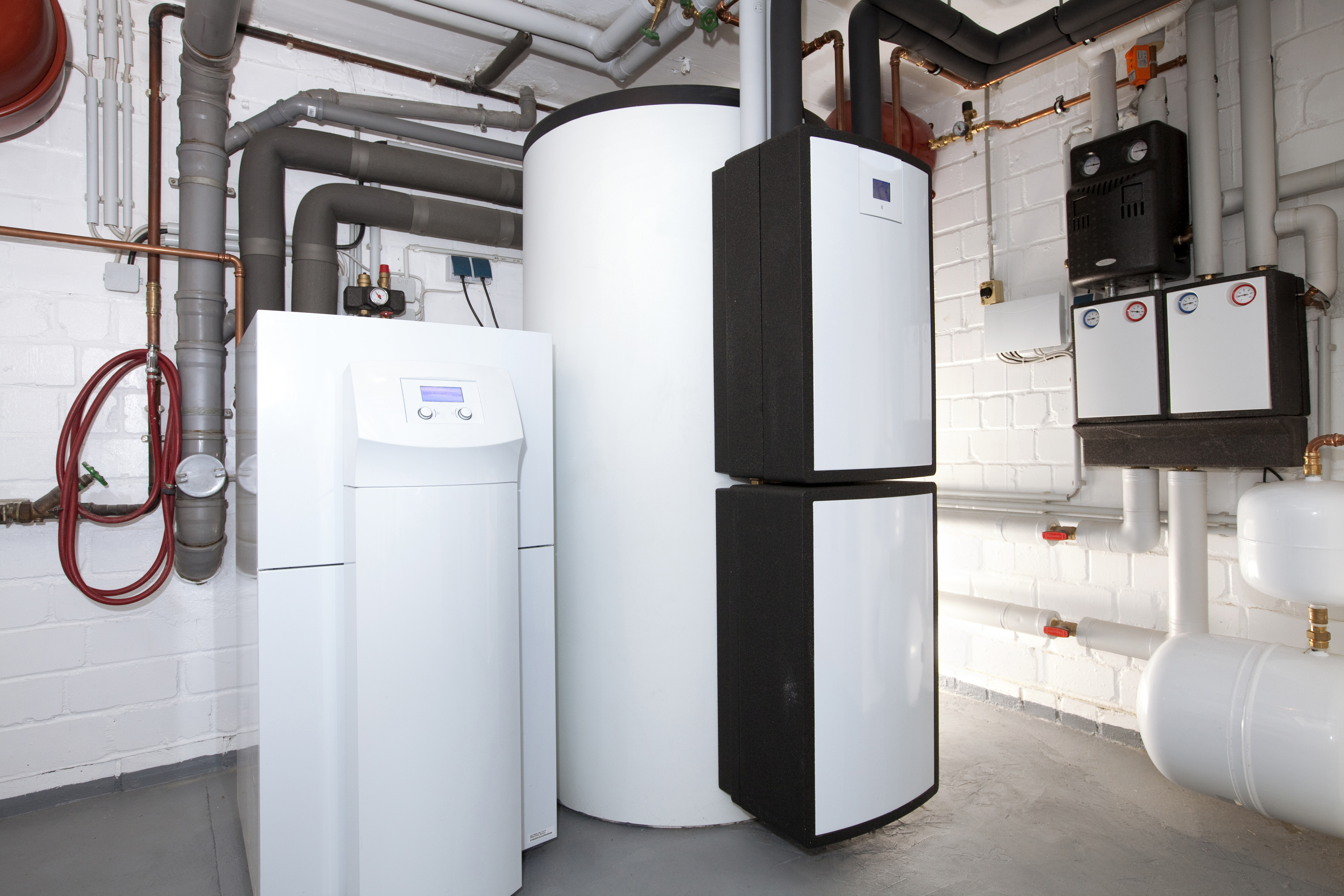
Germany’s parliament has passed a new law on building energy use that strips out key provisions for decarbonising the heating sector adopted under the previous government. The measure marks an end, for now, to the controversy surrounding the so-called “heating law,” which chancellor Friedrich Merz's government promised to abolish in its coalition agreement. The reformed Building Modernisation Act, backed by Merz’s conservative Christian Democratic Union (CDU) and its coalition partners, the Bavarian Christian Social Union (CSU) and the Social Democrats (SPD), was met with widespread criticism for lacking an adequate alternative in place to ensure a smooth and cost-efficient transition in the sector.
The new law repeals a mandatory renewable energy share of 65 percent for new heating systems, meaning homeowners can continue installing new fossil gas and oil boilers. However, the law also stipulates that all heating systems must run on emissions-neutral fuels by 2045, the year Germany plans to become climate neutral. The government plans to gradually increase the share of bioenergy in the heating fuel mix, with biogas and climate neutral fuels set to grow from ten percent in 2029 to at least 60 percent by 2040, although it remains unclear how the expected spike in demand would be met.
Conservative parliamentary group deputy leader Sepp Müller said the new law restores “freedom of choice” to homeowners instead of “patronising” them by dictating which systems are allowed, public broadcaster ARD reported. Katharina Dröge, parliamentary group leader of the Green Party, which co-authored the previous government’s ‘heating law’, said instead that the new law represents a step back for Germany’s climate action ambitions. “The CDU and SPD are completely oblivious to the future by allowing climate-damaging oil and gas boilers again,” Dröge argued.
Heat pump industry decries parallel budget cut to modernisation support
Energy policy think tank Agora Energiewende criticised the new law as an “own goal” for energy and climate policy. “This complicates planning for households, municipalities and companies and significantly slows the transition in the heating sector,” said Agora’s Germany director, Julia Bläsius. She noted that the law could still be challenged in court and creates problems for those who had already started planning investments under the old rules. Uncertainty over the availability of climate neutral heating gas could lead to high costs, especially for tenants, while maintaining gas networks entails significant costs for utilities, Bläsius added.
In addition, producers and installers of clean heating systems such as heat pumps face greater uncertainties about market development, which weakens the domestic market and could cause German companies to fall behind international competitors, she said. “Overall, the Building Modernisation Act creates substantial economic uncertainty and is a step back in climate policy,” Bläsius said. Instead of charting a clear regulatory path, the government had opted for “the principle of hope” on emissions reduction.
Low-income households to benefit
Germany’s parliament also adopted changes to the support scheme for heating modernisation. By more strictly tying support to income levels, the government aims to save more than two billion euros by 2030, public broadcaster Deutschlandfunk reported. The economy ministry said that the reformed rules would help low-income households to change their heating systems, adding that it expects installation costs for heat pumps to fall as a result of the new support regime.
The industry lobby group German Heat Pump Association (BWP) warned that the changes could push many homeowners to opt for cheaper fossil heating systems, rather than heat pumps. The gradual reduction in modernisation support would “bring the heat pump market to its limits,” said BWP managing director Martin Sabel. He said the changes mean that policies to lower prices for electricity and increase carbon prices would be needed to ensure that emissions-free heating remains the most attractive option.