
Germany's coal exit quietly progressing, likely completed by 2032 – researcher
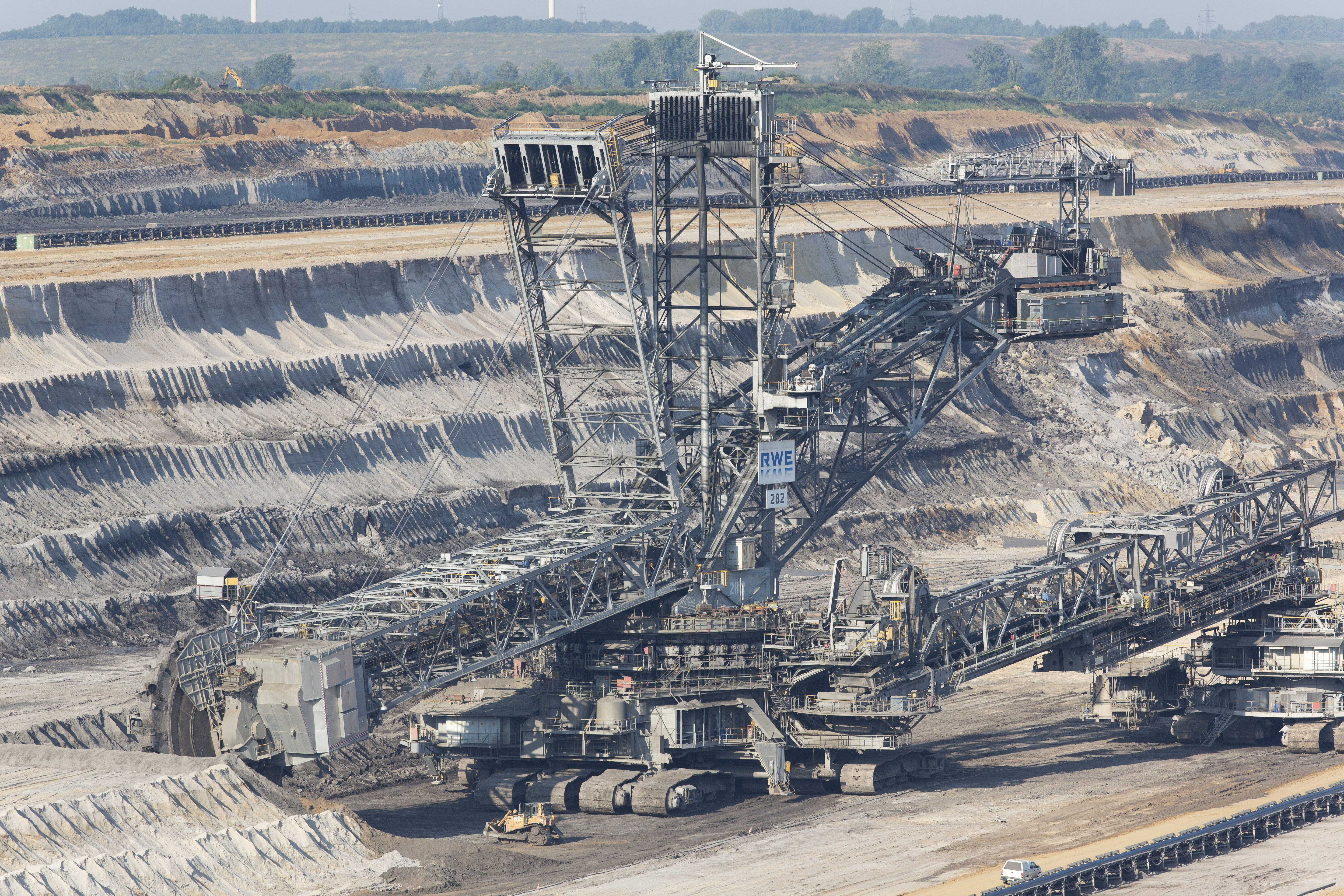
Soaring energy prices have triggered calls for slowing Germany’s coal exit. The country’s coal exit law, agreed in 2020, provides for the step-by-step decommissioning of coal power plants. It also stipulates that coal-fired power generation must cease by 2038 at the very latest. Germany's western coal region aims for an earlier phase-out by 2030, but delays in building new gas-fired power plants as a backup for renewables make meeting this earlier deadline increasingly unlikely.
Clean Energy Wire: Chancellor Friedrich Merz said Germany’s coal phase-out plans “have become unrealistic” given the fallout from the Iran war, and delays in building gas-fired power plants as a backup for renewables. Do you think this claim is valid?

Hauke Hermann: The previous energy crisis triggered by Russia’s invasion of Ukraine in 2022 showed that the coal exit agreement is well prepared for dealing with this kind of situation. Plant decommissionings can be temporarily halted, and plants can return to the market if needed. The agreement therefore has built-in “responsive” mechanisms that provide implementation flexibility. I’d rather say the agreement has shown that it is working. Given this built-in flexibility, it is not based on unrealistic assumptions.
If anything, while it hasn’t become more likely that a forced phase-out will happen earlier, price trends in the EU’s emissions trading system (ETS) indicate that an earlier exit could happen through market forces. I don’t think the conditions have changed that much overall.
Amid the energy price shock caused by the Iran war, some industry voices called for activating reserve coal plants to curb power prices, an idea already mentioned in the government’s coalition agreement. Are coal plants the right instrument to bring down electricity costs?
Bringing coal plants back onto the market is not a good way to cut costs. We need a price signal for scarcity to create incentives for investing in new technologies, for example in energy storage. These incentives are distorted by interventions like the re-introduction of old coal plants.
Moreover, it will be economically difficult to keep open-pit mines in reserve and restart these lignite power plants only a few times per year to bridge periods of higher prices. There are also legal uncertainties regarding compensation payments to operators and other aspects, such as state aid rules, that complicate this approach. Implementing this idea from the coalition agreement will be challenging – and I do not currently believe it will happen.
The profitability of Germany’s coal plants is closely tied to prices in the European Union’s emissions trading system ETS. Industry groups have called for slowing the pace of CO2 reductions in the system. Could the changes they demand alter the calculation for coal plant operators?
Our electricity market models indicate that coal will be phased out faster than envisaged under the coal exit agreement, meaning the market is outpacing the schedule. This is due to comparatively low gas prices until recently, and higher ETS allowance prices.
If gas prices rise without a parallel increase in emissions allowance prices, this would slow a market-driven phase-out. Assuming only a few months of elevated gas prices, this does not change the broader picture of coal being pushed out of the market.
In Germany’s western coal state North Rhine-Westphalia, the coal exit was brought forward to 2030. Do you think this has become less realistic, given the delays to Germany’s plans to build new gas power plants?
Supply security is the main concern here, and the power plant strategy, providing for the construction of new reserve plants, should soon provide clarity on this aspect. I’m therefore optimistic that a 2030 phase-out can be achieved in North Rhine-Westphalia as planned, especially once other questions, such as a future capacity market, have been answered.
It is not even clear that there needs to be a one-for-one substitution of decommissioned coal capacity with new gas plants, as there are other ways to guarantee supply security. A grid stability reserve, so far mainly used for re-dispatch measures, could also step in if needed.
And do you think that an end to coal earlier than 2038 for the rest of Germany remains realistic?
In Germany’s other coal regions in the eastern states, there has been an acceptance that the development of carbon pricing under the ETS will speed up the phase-out. Under the Merz government, it is unlikely that a faster forced phase out will be a political priority. But market forces will continue regardless. At current rates, 2031 or 2032 appears a realistic end date.
Besides the economic and technical aspects, what political risks exist at the state level that could derail the coal exit’s schedule? The far-right Alternative for Germany (AfD) leads polls in the eastern coal state of Saxony-Anhalt ahead of elections in September, and has repeatedly said it aims to reverse the phase-out.
The coal exit law is a federal law that sets a deadline for coal-fired power production in the country, so there are few levers at the state level to reopen the debate. When visiting eastern Germany’s coal regions, my impression is that the structural economic transition agreed upon there is starting to take shape and enjoys a lot of public support.
Would you say the federal government is doing what is necessary to ensure a smooth phase-out nationally?
There are some promising and some concerning signals. It remains unclear at the moment how the government aims to ensure further renewable energy expansion, while the reserve power plant auctions are progressing well. For this year’s policy decisions, we will need to assess their effects. The fact that debating the coal phase-out does not appear high on the government’s agenda could be a good thing in this respect.
The coal phase-out commission was seen as a role model for achieving consensus on a challenging national energy policy question. Could Germany use a similar approach to decide how it will phase out natural gas, given its 2045 climate neutrality target?
There are important differences between the use of coal and gas. Given the role of natural gas in industry and heating, far more actors would be involved in a phase-out, making an arrangement similar to the coal exit commission difficult. It also appears that there is less appetite for politically mandating technology phase-outs today than in recent years, with the current approach leaning towards letting market forces decide which technologies prevail. However, these forces need to be allowed to take effect – which means accepting higher gas prices as a consequence. A favourable price ratio between electricity and fossil fuels is also key – something that needs to be taken into account in current discussions on reducing energy bills.