
German regulator says no new coal operation bans needed as plants exit market
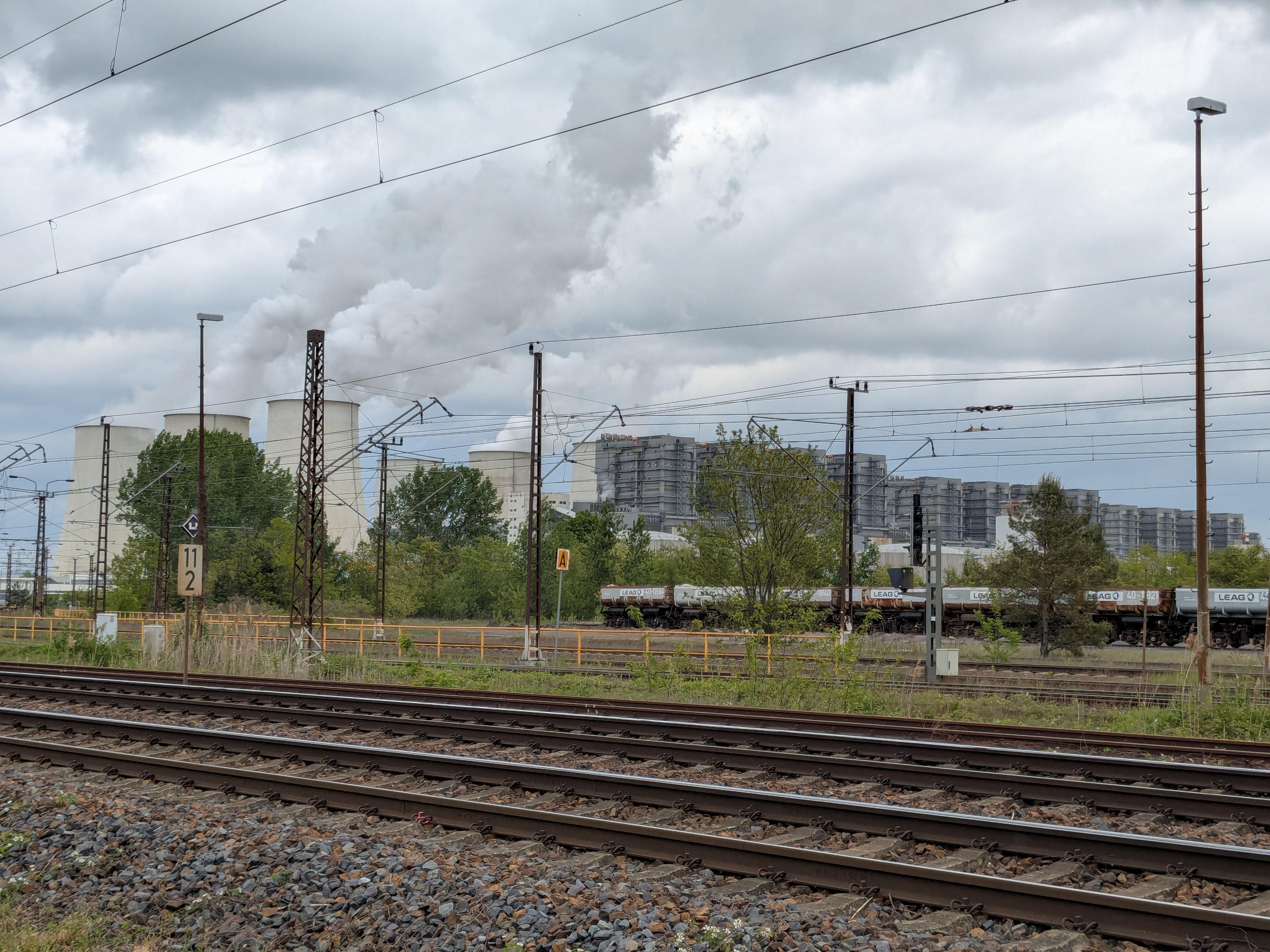
Germany's Federal Network Agency (BNetzA) will not force any coal-fired power plant closures in 2026 because enough plants have voluntarily left the market to already put the country below the capacity level permitted for 2029.
Until 2023, operators could take part in auctions to receive state support for decommissioning their plants sooner than planned, as part of Germany’s plan to phase out coal-fired electricity generation by 2038 at the latest.
Since then, the agency has had the power to force closures without compensation to ensure the country remains within legal capacity limits. It must announce these closures two and a half years in advance. The order of the bans is based on the age of the plants. This year marks the third time Germany has been able to meet the legal requirements for phasing out coal without forced closures, the grid regulator said.
While some have criticised the deadline for phasing out hard coal and lignite as too late, market forces may see coal-fired power generation disappear from the electricity network well before then. Carbon pricing under the EU Emissions Trading System (ETS), combined with the low cost of renewable energy, is making "coal power economically unviable," energy company EnBW said.
Economy ministry weighs reserve reactivation to ease power prices
The shutdown of a coal plant does not necessarily mean it is permanently unavailable. Transmission system operators assess whether a plant is critical to security of supply and needs to remain in the grid reserve, where it can be redeployed if needed.
Volatility in energy markets following the Israel- and US-led attack on Iran has revived debate over coal's role in energy security and could slow the market-driven phase-out if oil and gas prices remain high, experts have said. Chancellor Friedrich Merz has also warned that plant closures may have to be slowed in the event of energy shortages linked to the war.
At the start of the war, some politicians and energy industry stakeholders also called for returning certain coal plants from reserve to help cushion electricity prices, a discussion that now resurfaced. An analysis by consultancy Montel Energy Brainpool said that such a step could cut wholesale day-ahead power prices by up to 5 percent for 2027, but would also increase emissions from the electricity sector by up to ten percent.
The economy ministry continues to assess the use of the coal reserve, a spokesperson told business weekly WirtschaftsWoche. However, “that is not entirely straightforward for technical, economic and also EU legal reasons,” they said. “We are continuing to examine whether a suitable mechanism can be devised.” Any use of the reserve would have to be cost-effective, and the plants in question are relatively old and inefficient, they added.
Table Media in April reported that an economy ministry analysis said that a green light from the European Union on this was “highly doubtful to impossible,” given there were no supply security concerns.
Germany's government missed its mid-August deadline for publishing a stocktake of the phase-out's impact on energy security, power prices, greenhouse gas emissions and coal-mining regions. It will now publish the report in 2027, after the results of tenders for new gas-fired power plants. The government says it wants to incorporate the results into the evaluation to "carry out an analysis that is as realistic and robust as possible, particularly with regard to security of supply."