
Country guides and Dispatches
Our Dispatches keep you in the loop about energy and climate policy trends in key European countries and the EU itself. With a tight selection of the most relevant recent and upcoming developments, they provide a regular snapshot of what matters for the shift to climate neutrality in policy, diplomacy, society, and industry, and help readers look beyond national borders.
For a deeper understanding of where those key countries and the EU stand in the transition, the respective CLEW Guides offer concise background, an outline of major transition stories, as well as a progress assessment of major economic sectors. Written by local journalists with extensive experience.
| Explore our Guides and Dispatches | |
|---|---|
| European Union | Germany |
| France | Italy |
| Poland | Croatia |
| Hungary | |
European Union
How the European Union is trying to legislate a path to net-zero
The European Union positioned itself as a potential early climate champion in 2018 by pledging to reach climate-neutrality by 2050. Since, it has enshrined that goal into law, alongside an interim target to cut net emissions by 55 percent by 2030, and agreed a broad range of new and revised legislation to shift to a more sustainable economy. However, the rise of security, competitiveness and cost-of-living concerns has taken some of the focus away from the transition, and green policies have seen a backlash from companies, member states and politicians.
Germany
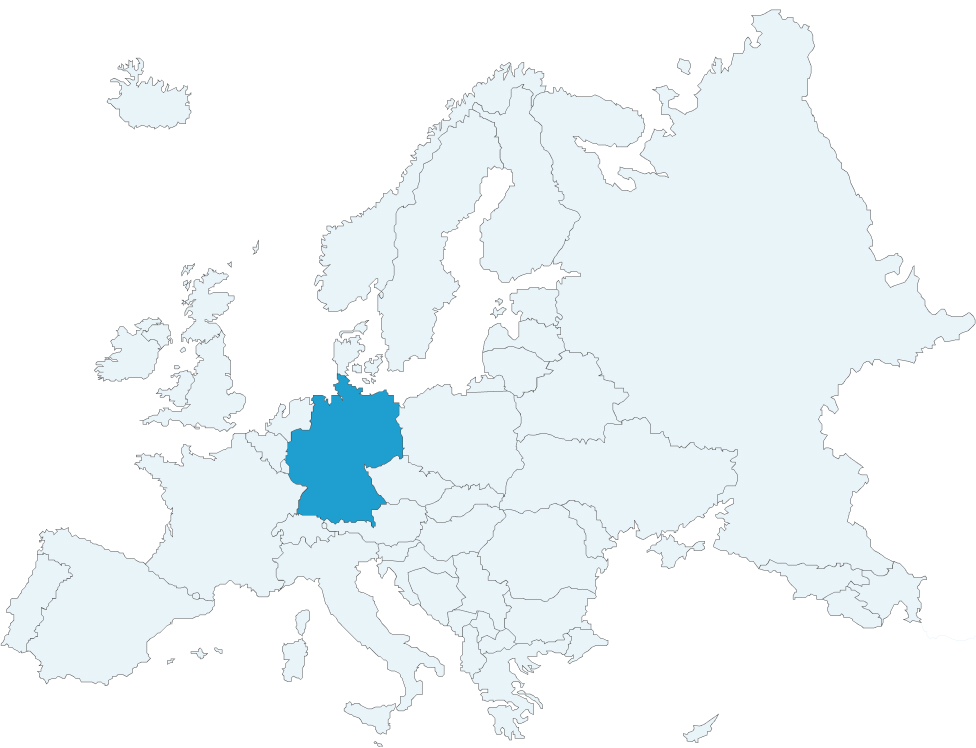
Germany nears 2030 climate targets, transport and heating remain laggards
Germany is nearly on track to meet its 2030 emissions reduction target, with rapid progress in the expansion of renewables making up for the lagging transport and heating sectors. The country's electricity system has never been so clean, partly due to a weak economy resulting in drops in manufacturing. Amidst stiff international competition, Germany must find ways to support its industry in the transition to climate neutrality.
France
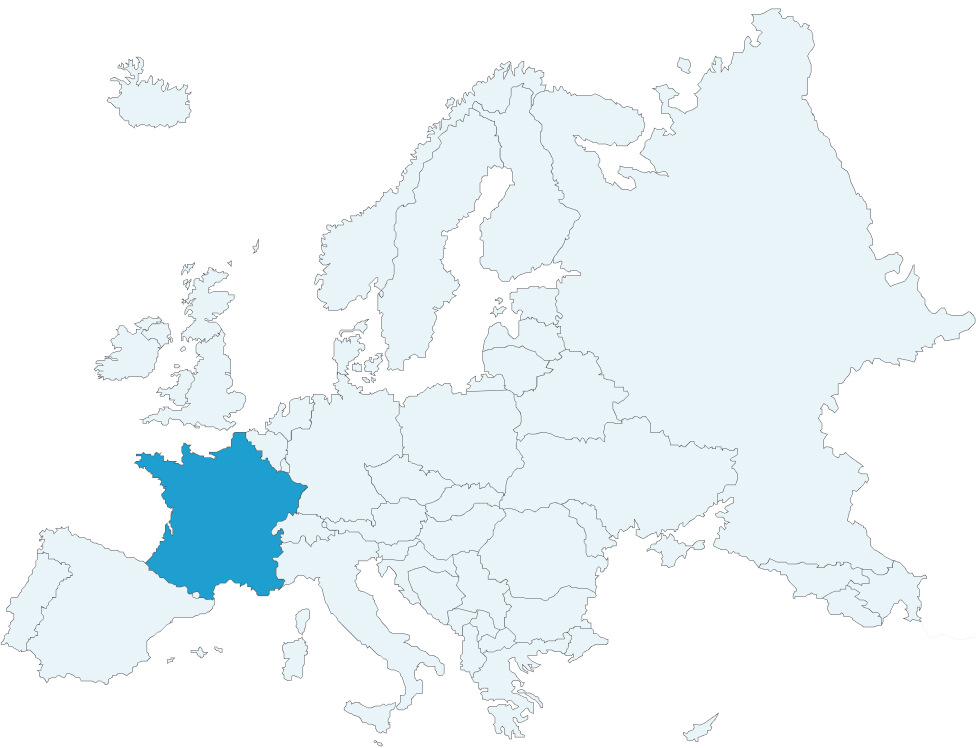
France caught between national and European energy ambitions
France aims to become climate neutral by 2050, yet emission reductions lag behind targets. The country faces budget troubles and dramatic twists and turns stemming from the political crisis that began in July 2024. Renewables expansion has slowed, and state-owned electricity utility EDF faces uncertain long-term financing capacity. After years of delays, France published a plan defining its energy strategy up to 2035, which drew criticism for slashing renewables targets in favour of nuclear power.
Italy
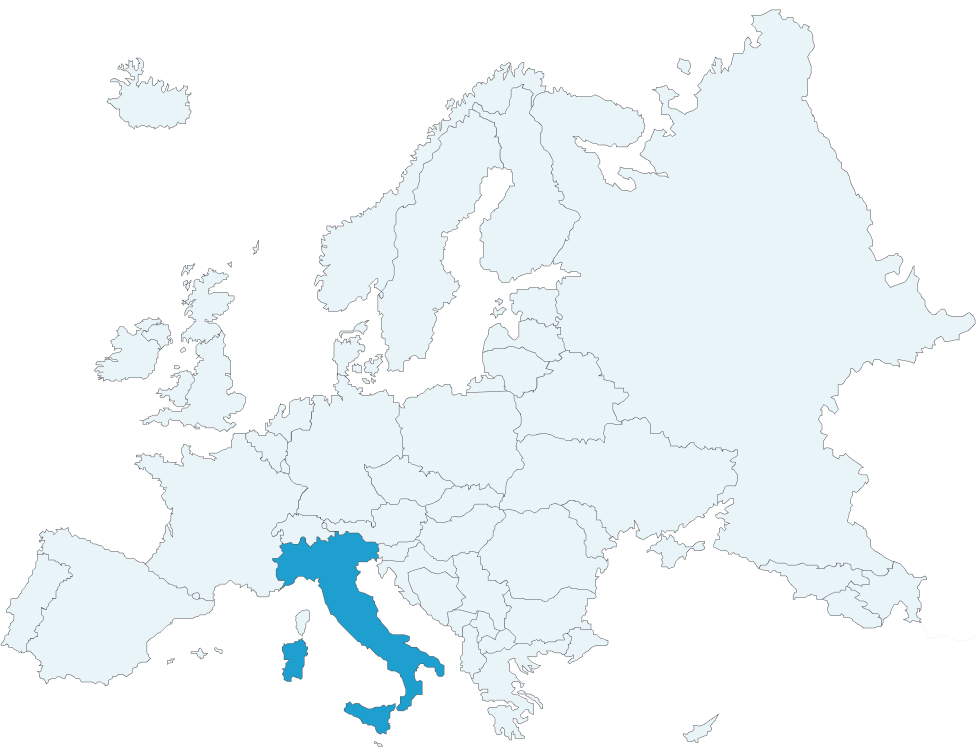
Italy moves on green transition, but fossil ties remain tight
Italy has taken significant steps in its green transition over the past decade, but the current government under prime minister Giorgia Meloni is also determined to make the country a "gas hub" in the Mediterranean Sea, illustrating ongoing deep ties to fossil fuels. Researchers and NGOs have criticised the country's draft plan to reach EU 2030 climate targets for being vague about key topics such as phasing out oil, coal and gas, and expanding alternative energy sources like wind or solar power.
Poland
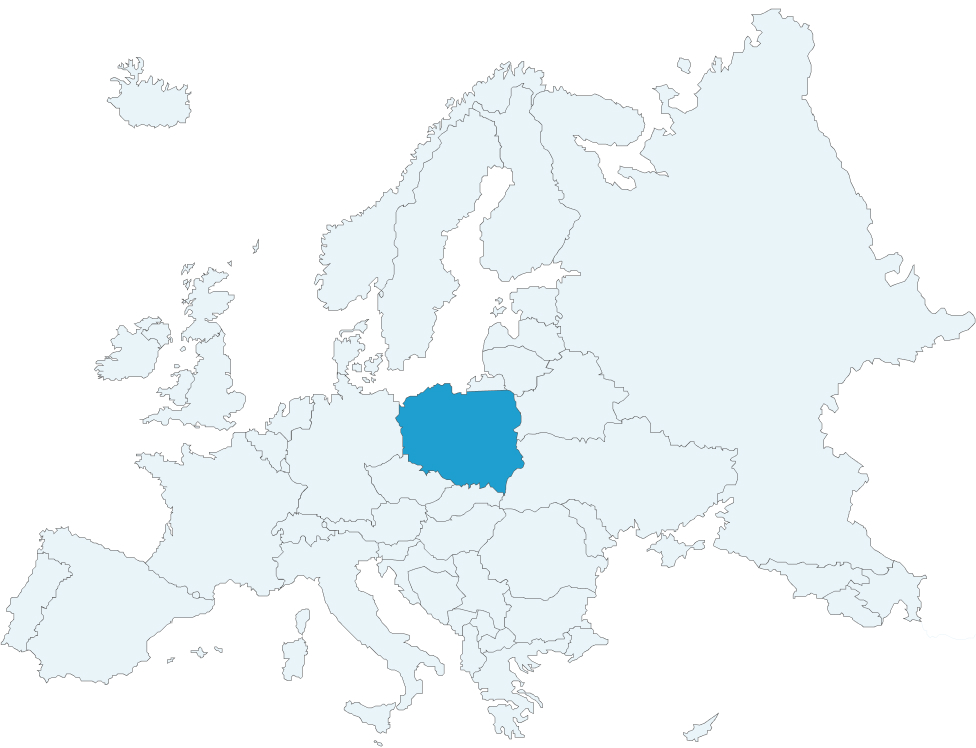
Poland stumbles through energy transition with uneven progress and political headwind
Poland is one of the EU's largest economies and the only country in the bloc that still produces over half of its electricity from coal. The fuel's share in the energy mix has dropped significantly in recent years, but the transition is proceeding without up-to-date strategies, creating social and economic risks, and making topics like the Green Deal and coal mining deeply politicised.
Croatia
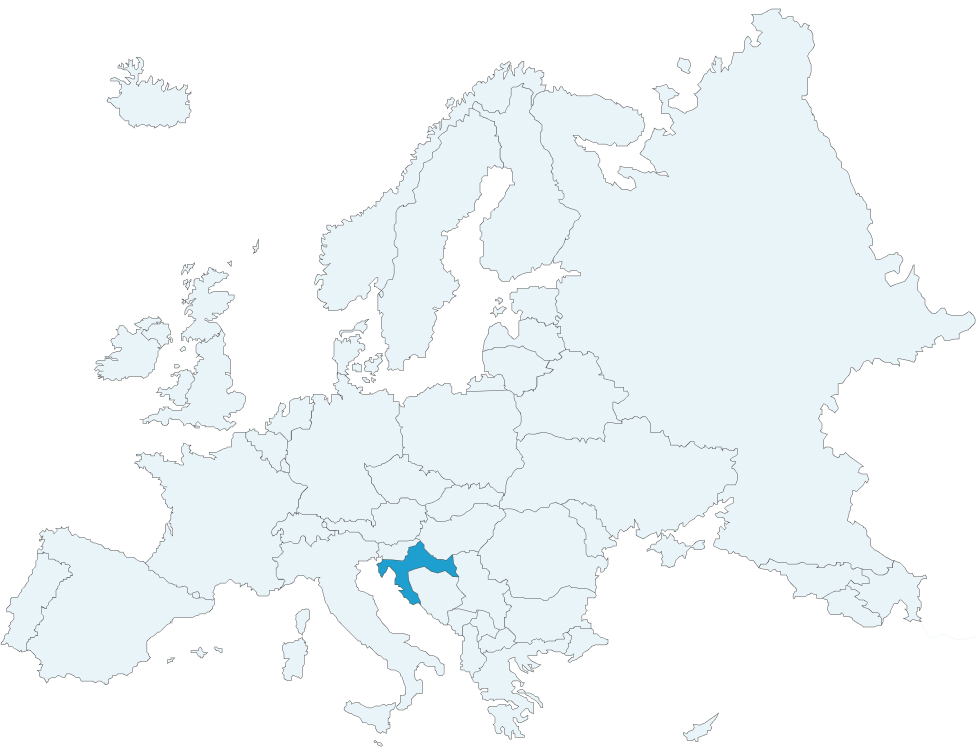
Croatia caught between LNG ambitions and abundant untapped renewable energy potential
The coalition of the centre-right HDZ and the right-wing Homeland Movement (Domovinski pokret), which formed the government after the early election in 2024, continues with plans to expand gas infrastructure related to the LNG terminal that receives gas from the US on the island of Krk. New nuclear ideas have also emerged, with a working group on nuclear energy established whose main goal will be to enable the construction of small modular reactors (SMRs). Gas and nuclear are much more the topic of conversation within the ministry of economy than the development of the renewable sources of energy.
Hungary
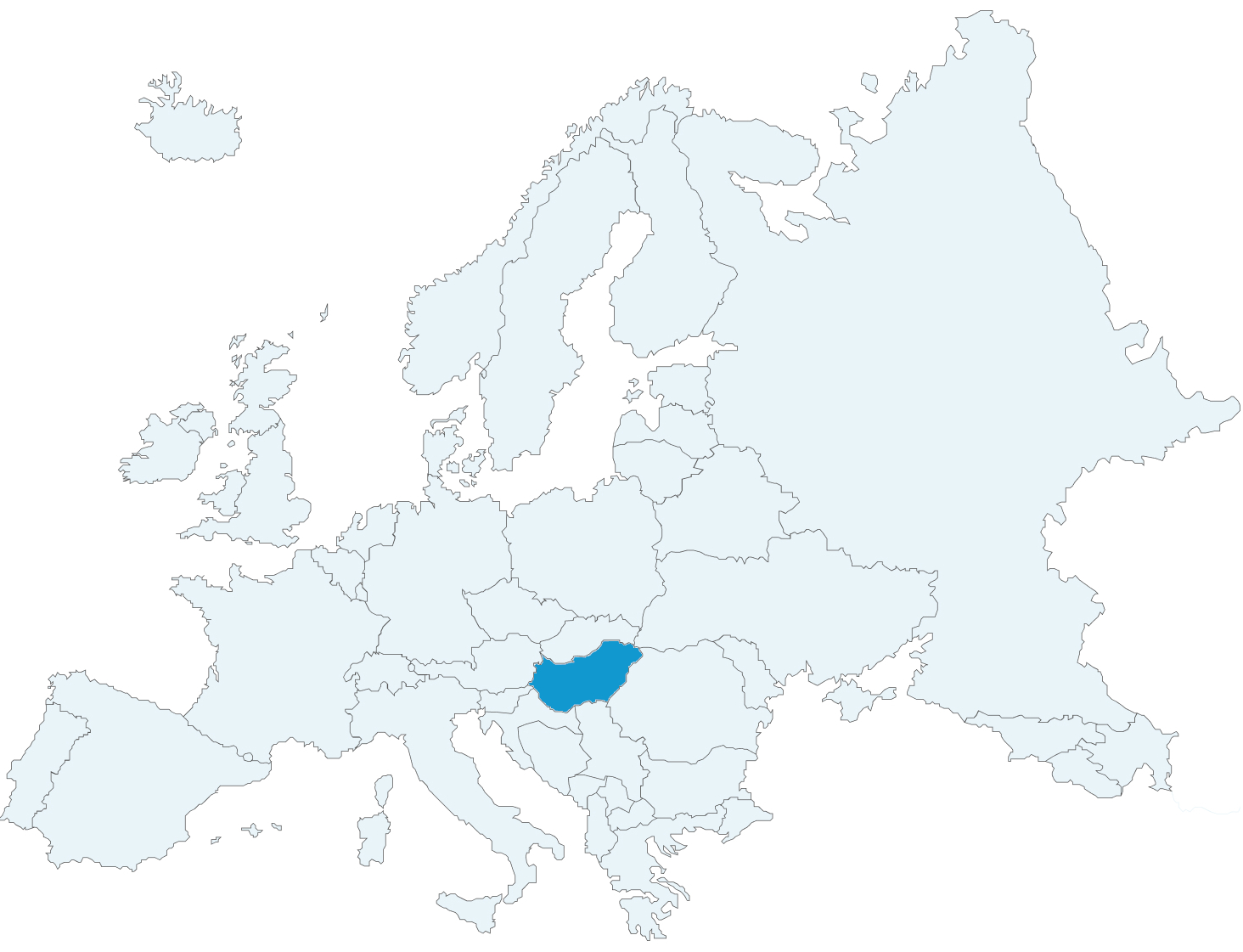
Hungary sees solar boom but remains dependent on Russian energy, fossil fuels
Hungary has almost halved its greenhouse gas emissions since 1990, and in recent years greatly increased its solar power capacity. Still, the country to a large extent relies on conventional energy sources, and depends on other countries – mostly Russia – when it comes to oil, natural gas or nuclear fuel supplies. Hungary traditionally has had close political ties with Russia after the collapse of the Soviet Union, and strong co-operation continued under right-wing conservative Viktor Orbán.