
Preview 2026: Security of supply in focus as Germany must move fast on new gas power plants – analysts
[This piece is part of a series of expert interviews to preview energy and climate policy developments in Germany and Europe in 2026. We will publish more in the coming days.]
Clean Energy Wire: Germany is phasing out the widespread use of fossil fuels like coal and gas in its energy system. How will things advance in 2026, and how should the government act?

Nicolas Leicht – Project Leader, Advisory Team at Aurora Energy Research. Photo: Aurora.
Nicolas Leicht: Looking at the bigger picture, Germany will move closer to a decarbonised energy system in 2026, with the general cornerstones of the energy transition unaltered: phasing out the most polluting sources in the power sector, deploying renewables at scale, and electrifying other sectors.
To be more precise, the Energy Transition Monitoring has confirmed that a rapid expansion of renewables is essential for Germany, and we do not expect a major slowdown. Reflecting recent developments regarding permitting, auction results and project economics, we expect the deployment of solar PV to progress slightly slower than we saw this year, while onshore wind is picking up speed. Offshore remains in volatile waters, and adjustments to the regulatory regime are overdue if we are to see successful bids in the auctions again. Finally, while in the past the discussion focused on development pipelines for utility scale battery storage, in 2026 we expect more and more projects to be realised.
While new and clean assets come to market, the coal exit remains a priority in the power sector. As of now, 23 gigawatts of coal plants remain in the system, significantly less than the 35 gigawatts that were active in 2020 when the mandated coal exit was decided in parliament. In addition to mandated closures, many gigawatts will leave the system due to a rising carbon price and low running hours. Not all of these closures can be compensated by additions of renewable assets and battery storage, which brings security of supply back into focus.
Can Germany continue with its coal exit as planned and ensure electricity supply security at the same time?
Nicolas Leicht: Yes, Germany can do that. Due to deteriorating market conditions for coal assets, the coal exit will likely happen even faster than stipulated by regulation. Based on our modelling, we expect the last coal plant could close by 2033 rather than 2038. However, a coal exit by 2030, as the former government had “ideally” envisioned, seems unrealistic at this point.
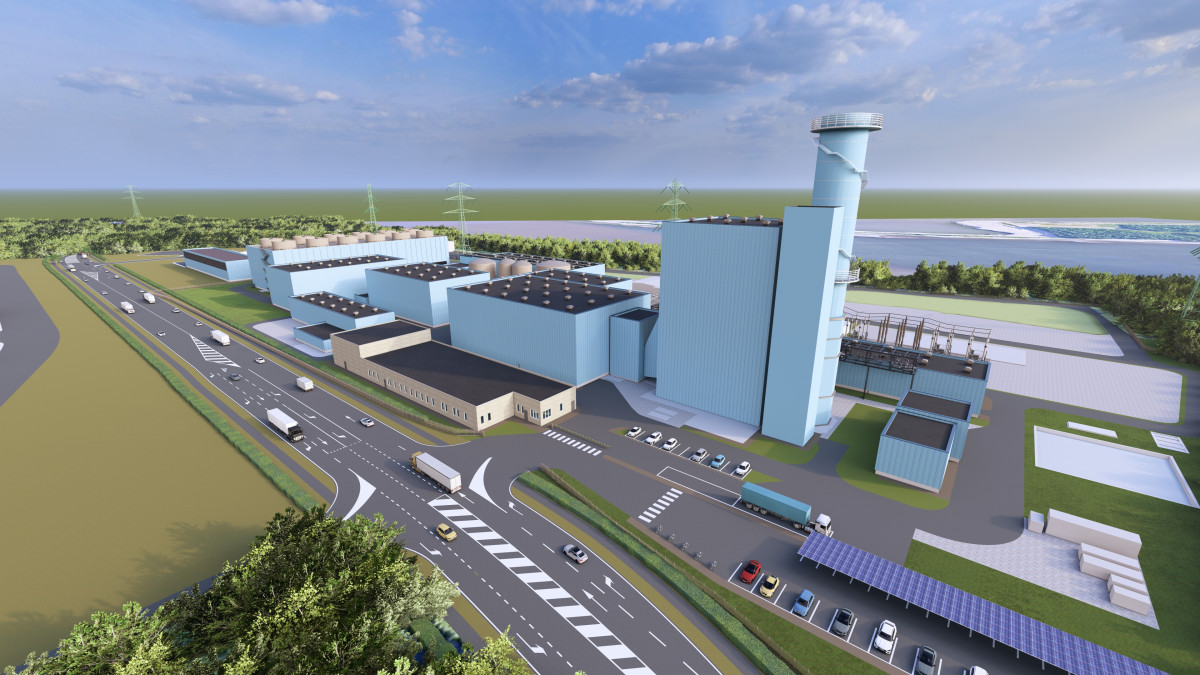
This is because we will need new gas power plants beyond renewables and battery storage to balance the system. Legislative action needs to be swift and pragmatic: Work on the power plant strategy has now been done by two ministries for over two years. Planned capacity, nomenclature and types of plants have been revised several times. Last comments from the minister envisioned auctions in spring of 2026. This timeline will be difficult to meet, given the parliamentary and regulatory steps that need to be taken, but industry has already started planning and ordering equipment.
Also, the capacity market needs to be presented quickly. It could help deliver security of supply at lower cost than single-technology auctions. Additionally, it would foster competition with less emission-intensive technologies like battery storage or mobilise the demand side. In the long-term, this can help increase system resilience and help us become better protected against supply shocks.
Finally, to decarbonise the full economy, we need to electrify industry, heating, and mobility. This process is behind schedule and power demand will likely grow slower than anticipated in the past. This gives us more leeway with security of supply in the short-term but should not serve as an excuse to delay necessary action for the power plant strategy and capacity market.
How would you rate the coalition government's actions and policies regarding the move away from fossil fuels in the energy system since it took office in May 2025?

Lukas Günner – Energy Market Expert, German Research Team at Aurora Energy Research. Photo: Aurora.
Lukas Günner: We see a mixed track record. There are several positive aspects, but some areas require a greater push than currently undertaken.
First, the government’s commitment to climate neutrality by 2045 provides a stable planning horizon and shifts the debate from “if” to “how.” However, unclear communication on legislative proposals – such as the power plant strategy or the Buildings Energy Act – creates uncertainty for consumers and industry, delaying investment decisions.
Then, the government’s monitoring report offers a valuable overview of Germany’s energy transition and suggests power demand in 2030 will be closer to 600 terawatt hours than 750 terawatt hours. Yet, few measures are being taken to reverse this trend. Reversing this trend is important because high electricity demand reflects a growing, electrifying economy, while stagnating demand signals weak growth or continued fossil fuel use. Supporting rising demand from electric vehicles, industry electrification, data centres, or hydrogen production should therefore be in the government’s interest.
And finally, priorities of the energy transition have shifted towards affordability and security of supply under the new government. This became visible in discussions about the power plant strategy and the review of existing subsidy schemes, for example for rooftop solar, as part of the energy transition monitoring. This re-prioritisation can help reduce costs, but it must not come at the expense of progress towards the 2045 decarbonisation goal.
To summarise, a stronger push for electrification would be desirable, while greater pragmatism in reaching decarbonisation targets can save costs in the process.