
Preview 2026: Will Europe’s largest economy stay the course on climate?
Cutting costs, backing industry, strengthening supply security – and keeping voters on board
Contents
ANALYSES
Merz government must deliver on key energy projects as patience wears thin
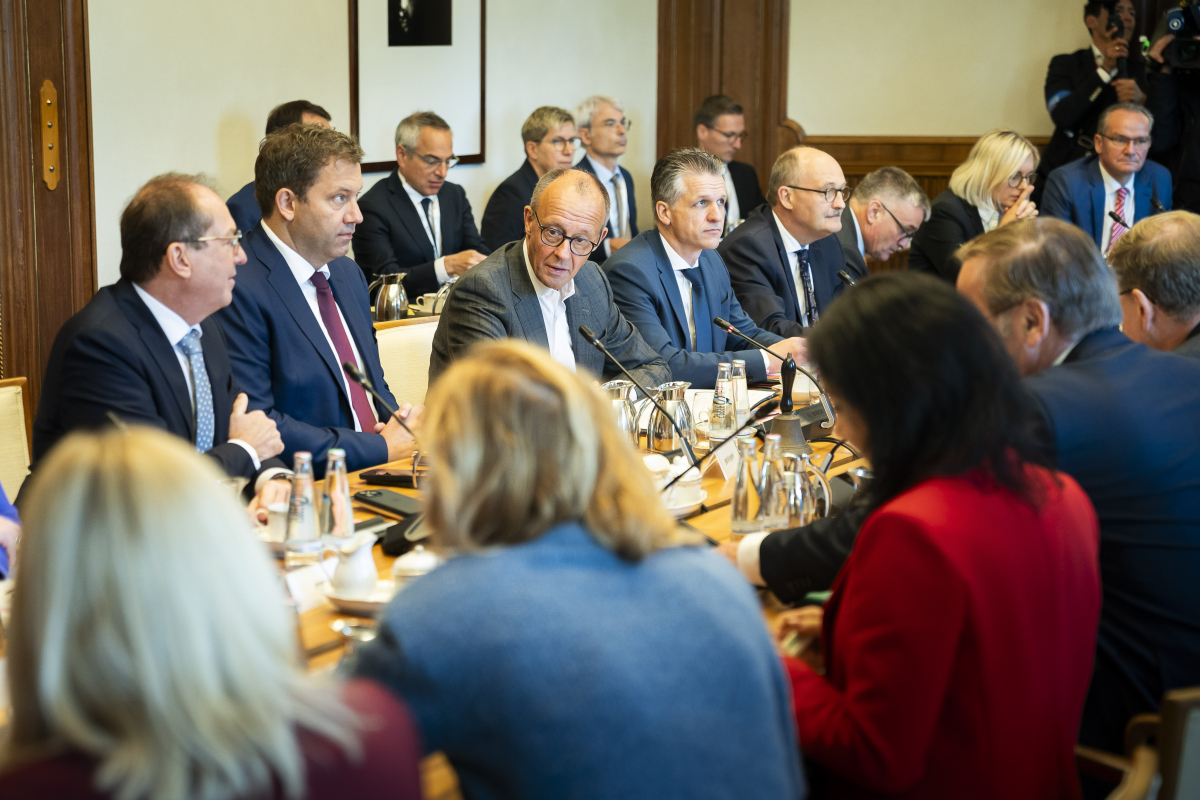
The economic reset promised by chancellor Friedrich Merz remains a work in progress at the turn of the year, with many major climate and energy policy decisions still pending. Industry leaders warn of mounting frustration after his commitment to put competitiveness ahead of climate ambition, while environmental groups fear a weakening of climate targets and voters remain unconvinced. Pressure on his government is growing to deliver, but a fragile coalition, five state elections and the risk of a far-right surge are increasing the complexity of effective policymaking in 2026.
Read the article here.
2026 set to shape the future of the EU’s climate and energy architecture
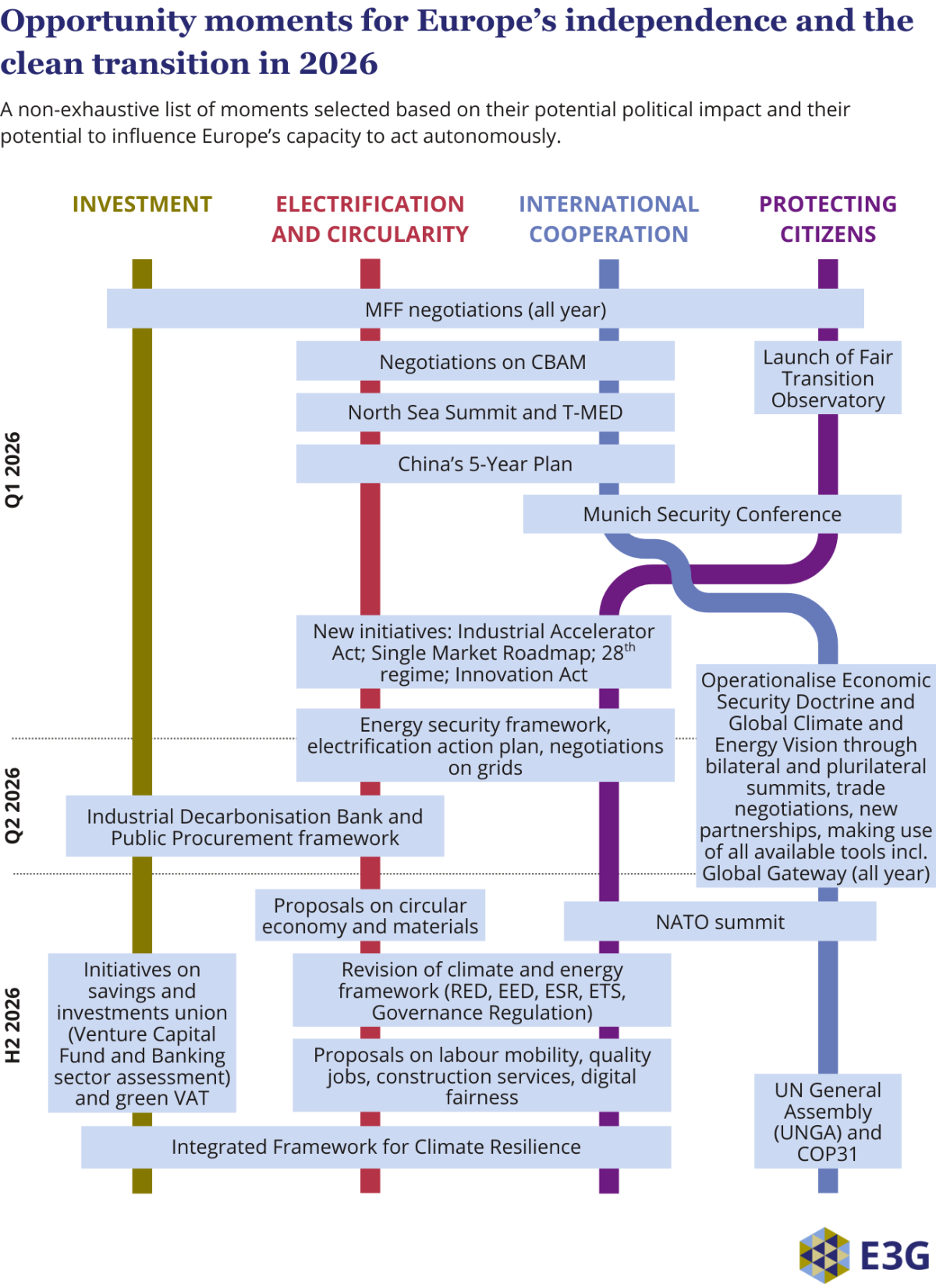
Climate and energy policy in the EU will enter a decisive phase in 2026, as the European Commission prepares post-2030 rules and reviews emissions trading, and member states and the European Parliament negotiate the next long-term budget. With key elections looming in major member states in 2027 and pressure mounting over costs and competitiveness, decisions taken next year could determine whether the EU enters the 2030s with a climate and energy architecture ambitious enough to help reach international targets.
Read the article here.
Special Dispatch Europe | Preview 2026
After a year marked by rollbacks of existing climate rules – from weakening deforestation regulations and company sustainability reporting obligations, to postponing emissions trading in transport and buildings – the EU will begin looking forward in its climate debates soon. In countries across the union, meanwhile, governments are focussing on the implementation of the transition, with legislation covering topics from renewable energy support to decarbonising household heating.
Clean Energy Wire’s authors in Warsaw, Brussels, Zadar and Milan, as well as those in the CLEW newsroom in Berlin, weigh in on their expectations for the biggest climate and energy stories in 2026.
Read the Special Dispatch Europe here.
INTERVIEWS
Security of supply in focus as Germany must move fast on new gas power plants – analysts
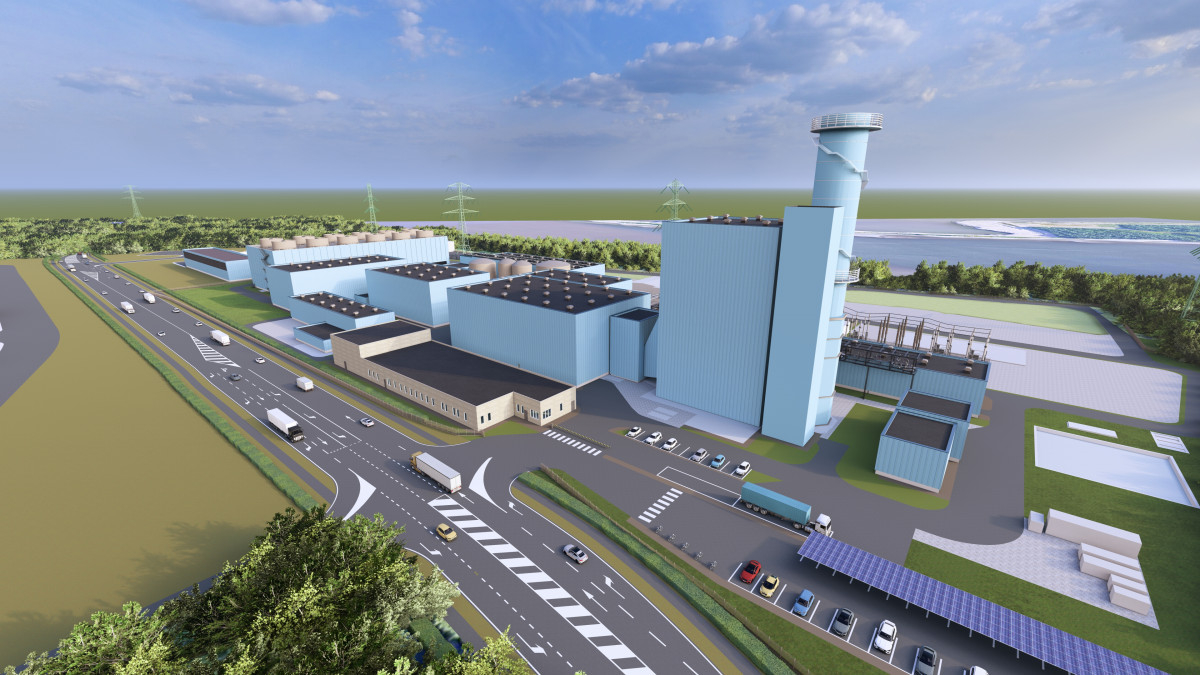
Germany will need rapid legislative progress in 2026 to secure new gas electricity generation capacity and keep its coal phase-out on track, analysts from Aurora Energy Research said. Security of supply will be back in the focus next year, as deteriorating market conditions for coal assets could push plants out of the market sooner than planned, said Nicolas Leicht, project leader of the advisory team, in an interview with Clean Energy Wire. Until now, the government coalition has a mixed track record on climate and energy policy, added Lukas Günner, energy market expert of the German research team.
Read the interview here.
Germany urged to fight harder to protect EU emissions trading ambition – researcher
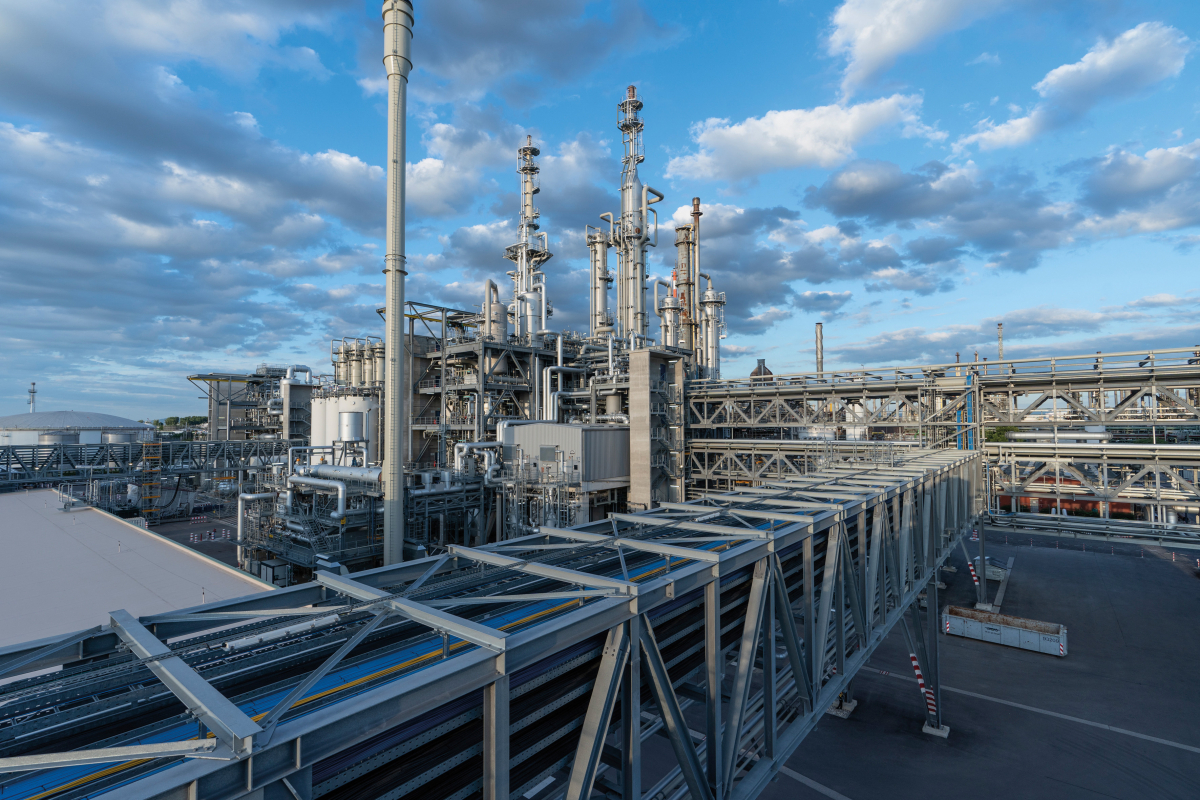
As pressure mounts to weaken EU climate rules, Germany will have to decide whether it is prepared to defend the ambition of the European Union’s emissions trading systems, said Philipp Jäger, senior policy fellow at the Jacques Delors Centre think tank. The German government’s priorities have clearly shifted to tackling economic concerns and it remains to be seen how much political capital it will invest on EU climate policy.
Read the interview here.
Germany should use electricity market reform for efficient renewables additions – researcher
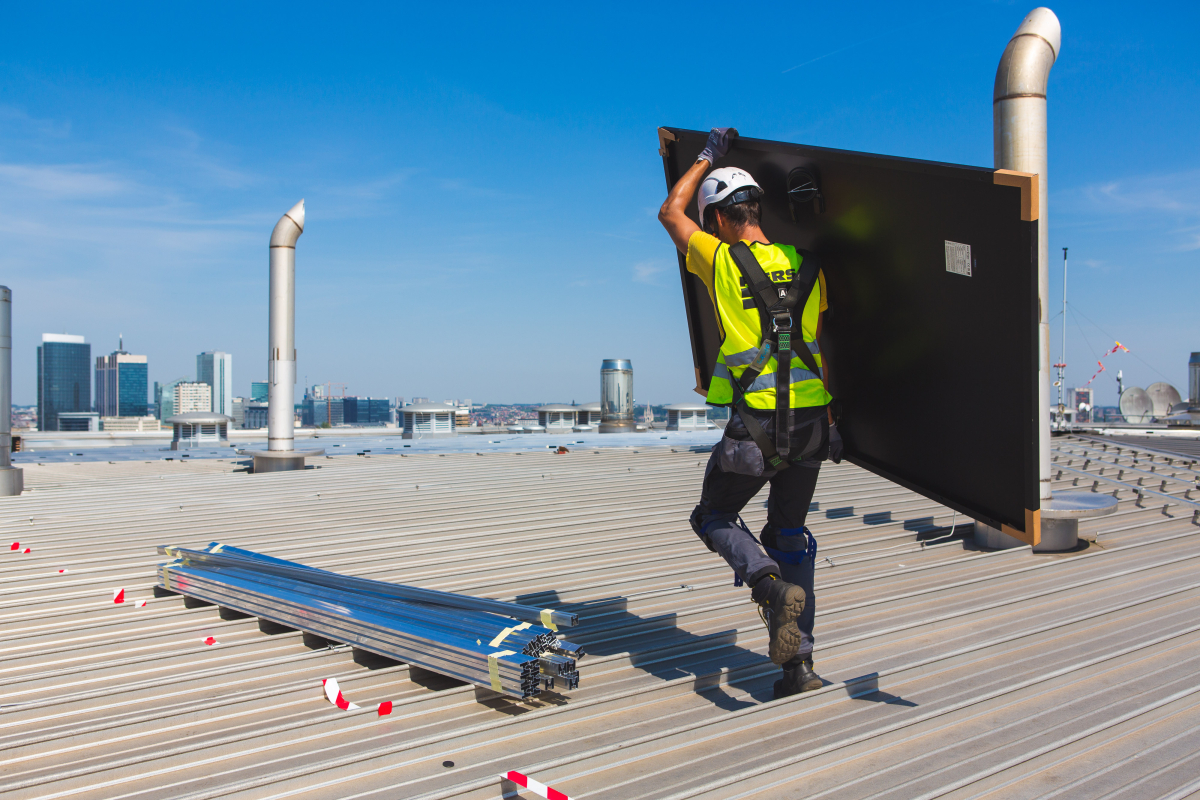
Reducing energy costs was the order of the day as Germany’s new government took office in May 2025, but the year ahead may be marked more by structural reforms than cost interventions, said Sylwia Bialek-Gregory from the Institute of Energy Economics (EWI). Looming power market reforms are a clear opportunity to boost the reliability and affordability of the energy transition, the executive manager for research said, pointing out that the country may struggle to meet electricity demand at all times unless it moves quickly to introduce incentives for backup capacity.
Energy storage association expects strong growth 'in every segment'
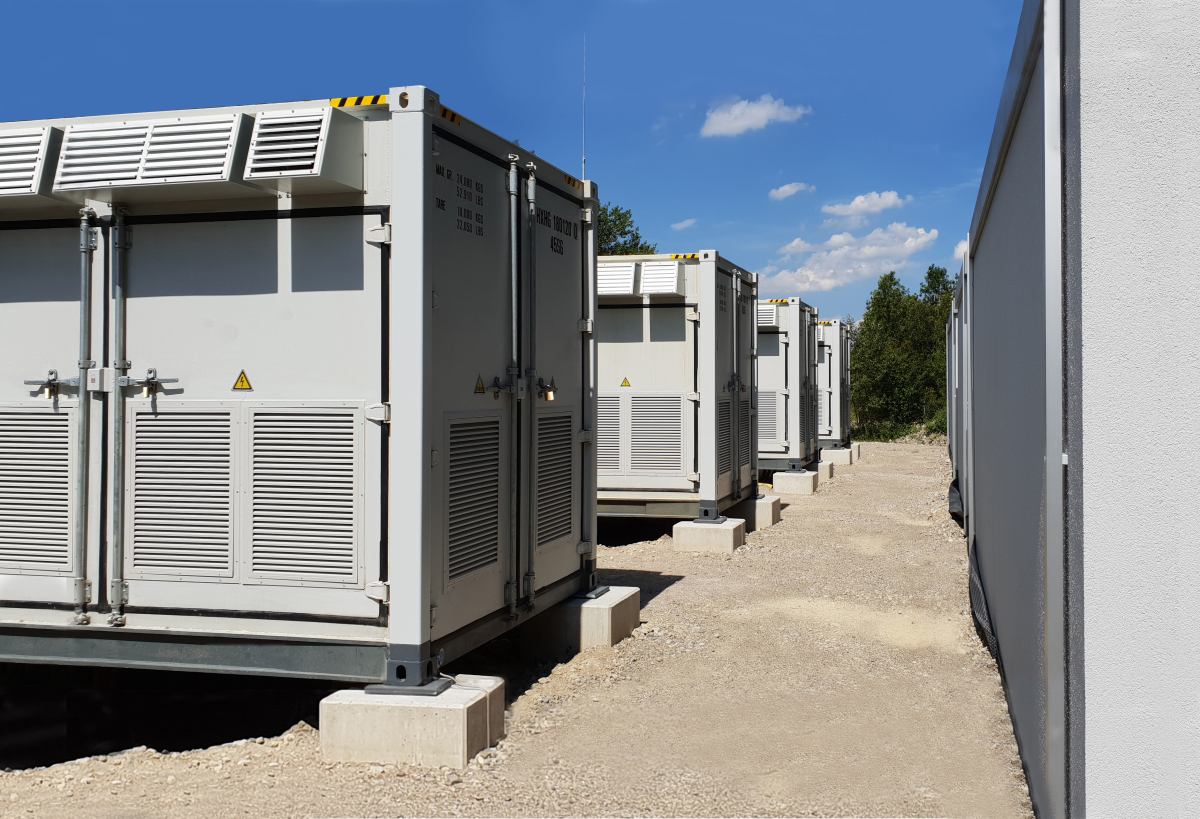
The storage systems industry in Germany expects its upward trend to firmly continue in 2026. However, policymakers still underestimate how much batteries and other storage solutions can contribute to supply security and flexibility to reduce costs, Beatrice Schulz from Germany's Battery Storage Systems Association (BVES) told Clean Energy Wire. She says the government must pull the right regulatory levers now so that the energy system can absorb the expected surge in storage capacity in the next years.
Read the interview here.
Germany’s climate action programme must focus on social dimension – researcher
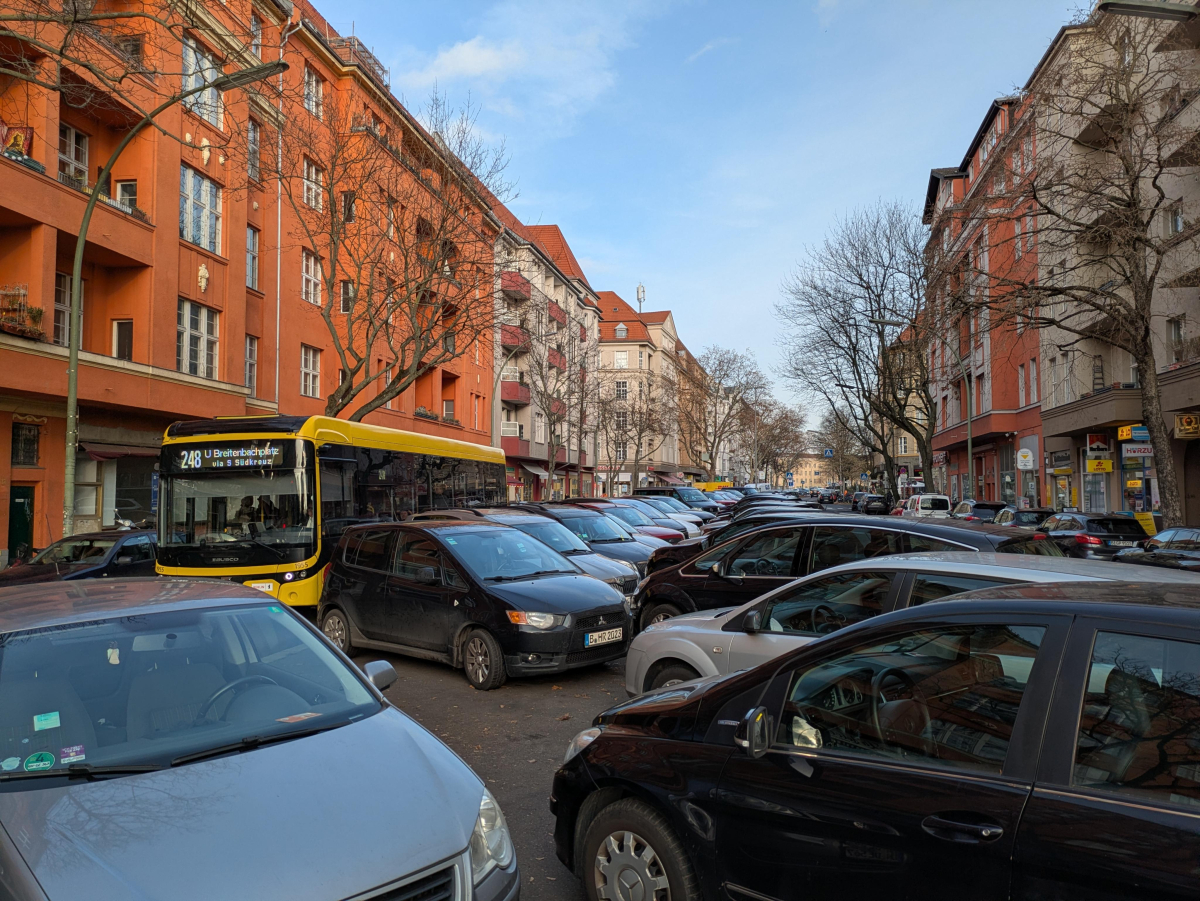
The government must put greater emphasis on making Germany’s move to climate neutrality socially fair as the country heads into a year with several important regional elections, said Brigitte Knopf, founder and director of think tank Zukunft KlimaSozial. Measures in the upcoming Climate Action Programme must consider people’s daily lives and tackle issues such as energy-efficient building renovations, the replacement of fossil fuel heating systems, and subsidies for electric car purchases based on income, she said.
Read the interview here.
Softening EU fleet limits is a step backwards for Europe’s car industry – NGO
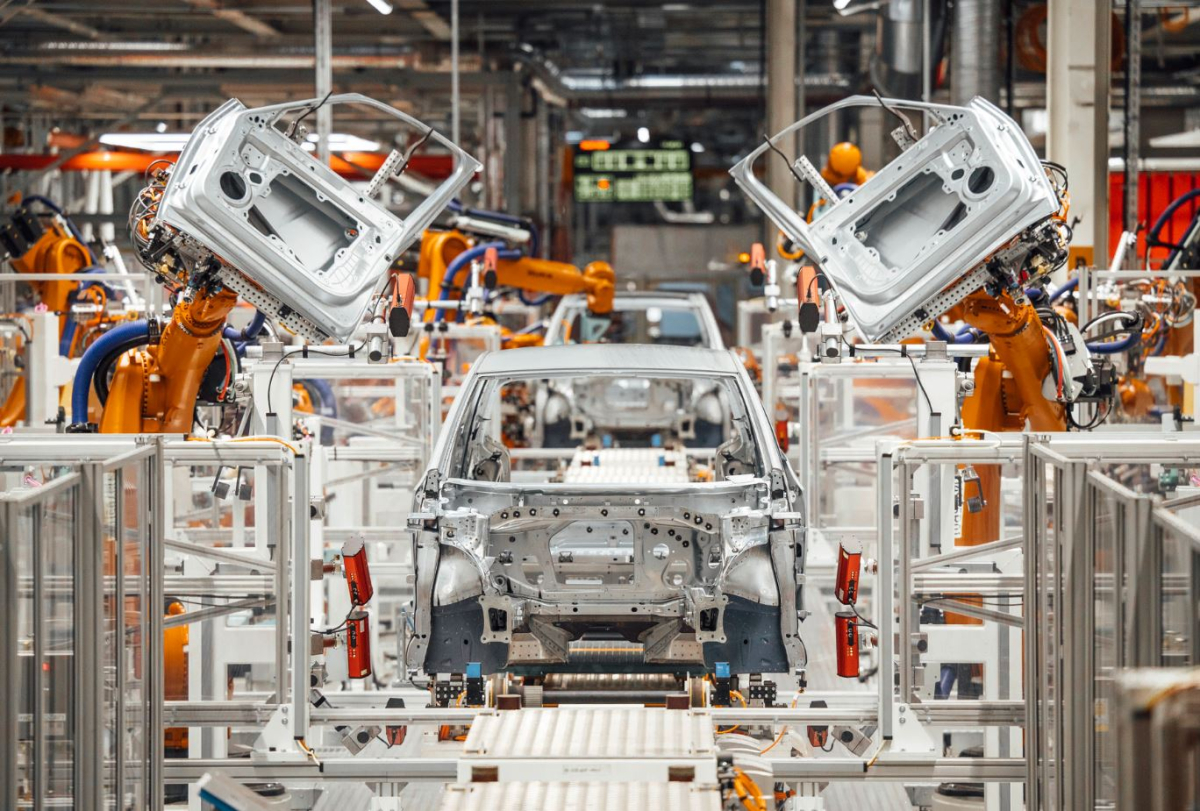
To accelerate electric mobility, Germany's government must focus support on affordable vehicles and end tax breaks for combustion engines next year, says Sebastian Bock, managing director of clean mobility NGO Transport & Environment Germany. He also urged an expansion of charging infrastructure for people renting their homes. Weakening EU fleet targets and questioning the 2035 combustion-engine phase-out threatens competitiveness, investment certainty and climate progress, argues Bock.
Read the interview here.
Clear commitment to upholding Germany's renewables boom still lacking – industry
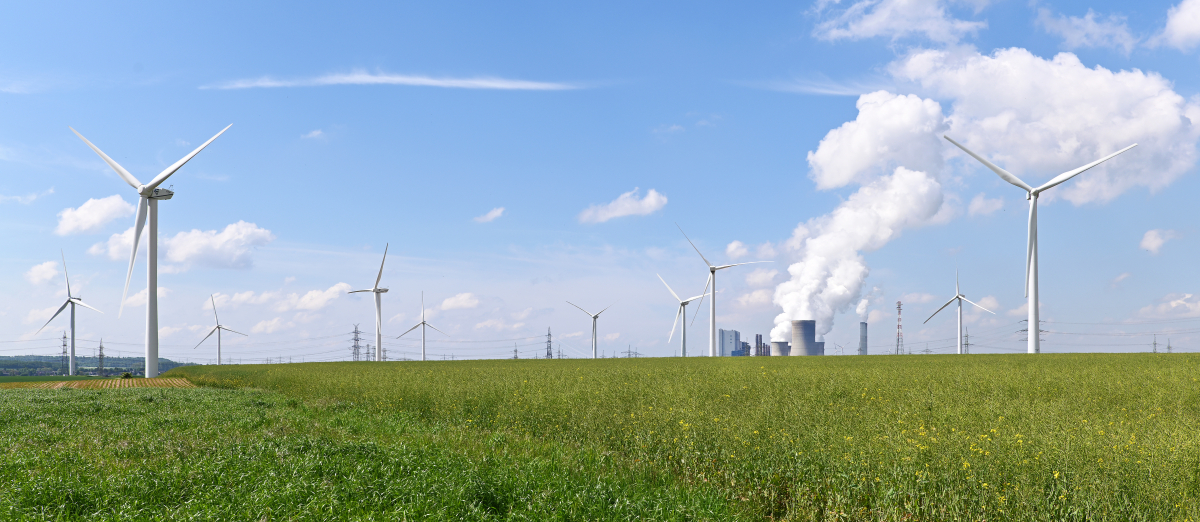
The share of renewable power in Germany's electricity system continues to grow at a solid pace, while wind and solar power have become pillars of the energy system that underpin the wider economy, says Ursula Heinen-Esser, president of the German Renewable Energy Federation (BEE). However, she adds that the government of chancellor Friedrich Merz has yet to send a clear signal that it will stick to a resolute expansion path. It also lacks plans to accelerate the decarbonisation of lagging sectors such as transport. The country is generally too focussed on protecting its status quo, limiting its ability to invest in technologies of the future, Heinen-Esser told Clean Energy Wire.
Read the interview here.
Europe urgently needs lead markets for clean steel, cement, plastics - think tank
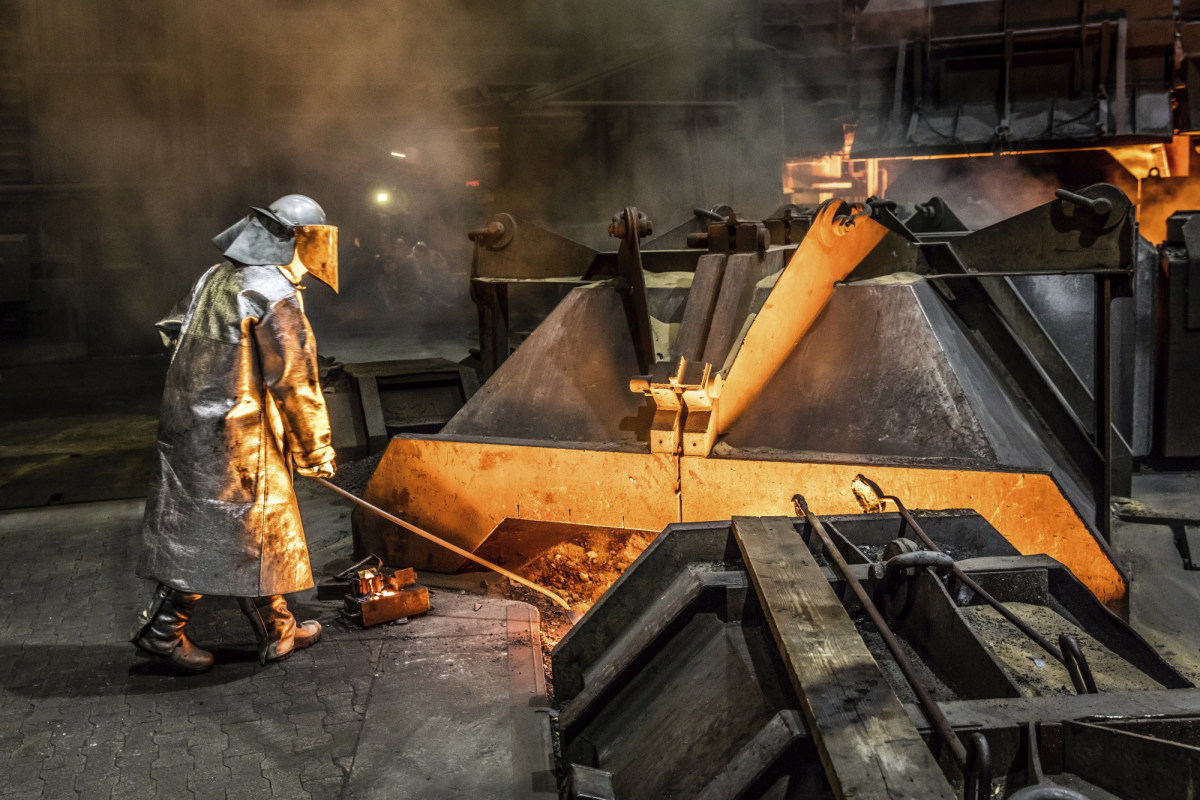
Europe risks losing momentum on industrial decarbonisation unless it quickly creates lead markets for low-carbon steel, cement and plastics, warns Julia Metz, director of clean industry think tank Agora Industry. In Germany, the government has cut industry electricity prices, but companies still lack a reliable political framework for decarbonisation investments, Metz argues in this interview.
Read the interview here.
Industry transition, clean investments key as EU shapes post-2030 climate policy – think tank
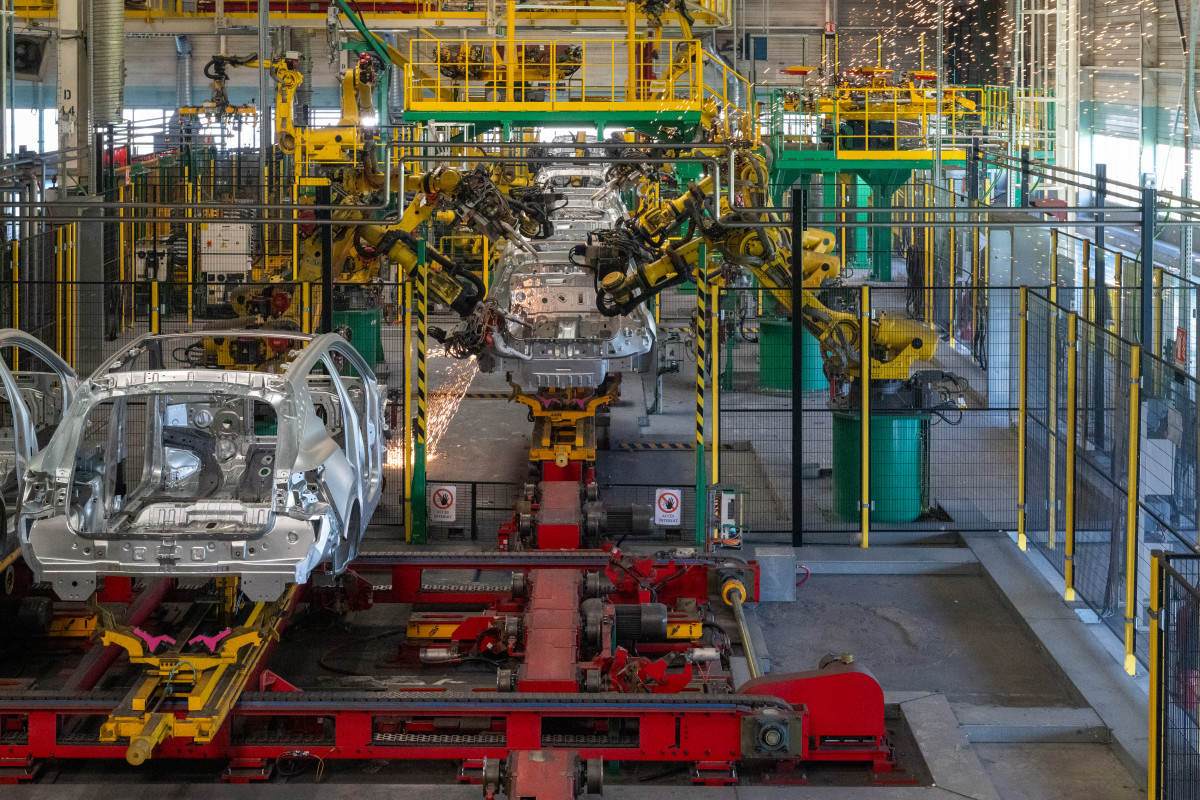
After the agreement on a climate target for 2040 for the EU, the focus this year is shifting to what this means for investments and the regulation of the transition across all sectors of the economy in the years after 2030, says Linda Kalcher, executive director and founder of the Brussels-based think tank Strategic Perspectives. Kalcher outlines five priorities for 2026 – from electrification and carbon pricing to industrial competitiveness – and warns that political zigzags and uncertainty due to the “super-election year” 2027 could deter investors.
Read the interview here.
Far-right may pose growing risk to transition as Germany heads into key regional elections – political scientist
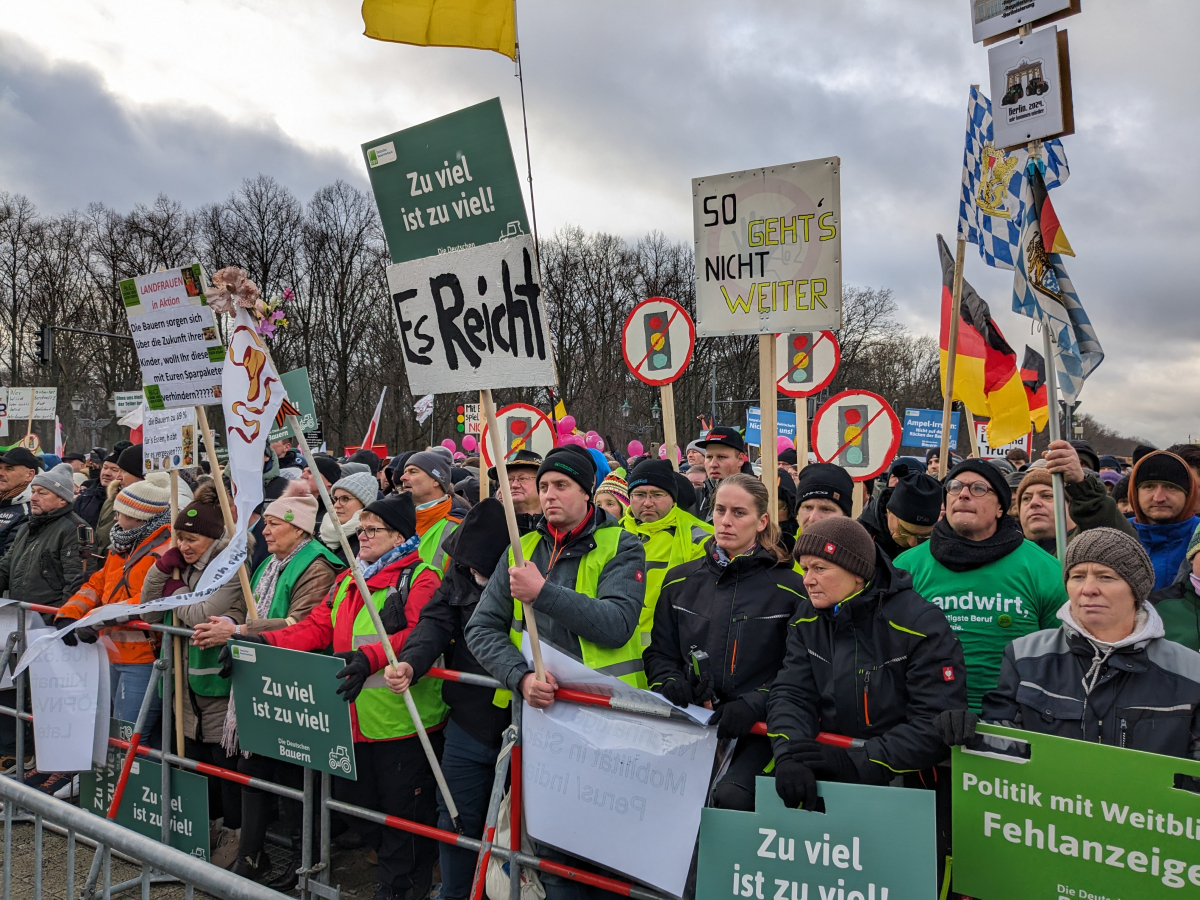
The far-right populist party Alternative for Germany (AfD) already threatens energy transition progress at the local level, and this could intensify as the country heads into several regional elections in 2026, says political scientist Janine Patz. The researcher from Research Institute Social Cohesion in Jena told Clean Energy Wire that Germany's conservative-led government must be careful not to parrot the AfD's positions for short-term political gains, or it risks undermining Germany's climate policy and competitiveness in the long-run. She urges the extreme right's political competitors to counter their "dystopic narrative" with facts and credible visions for the future.
Read the interview here.