
Wildfire-recovering LA faces climate questions ahead of 2028 Olympics
Climate resilience and sustainability at the heart of cultural events
Contents
*** Please note: This dossier compiles reporting by correspondent Carolina Kyllmann, who spent a month in Los Angeles researching how the wildfire-recovering city gets ready to host mega sporting events, and whether preparations can have lasting climate mitigation and adaptation effects.
The project was made possible by a grant from the Checkpoint Charlie Foundation. More articles to come. ***
PROFILE | How the 100-year-old LA Coliseum became one of the US's most sustainable stadiums
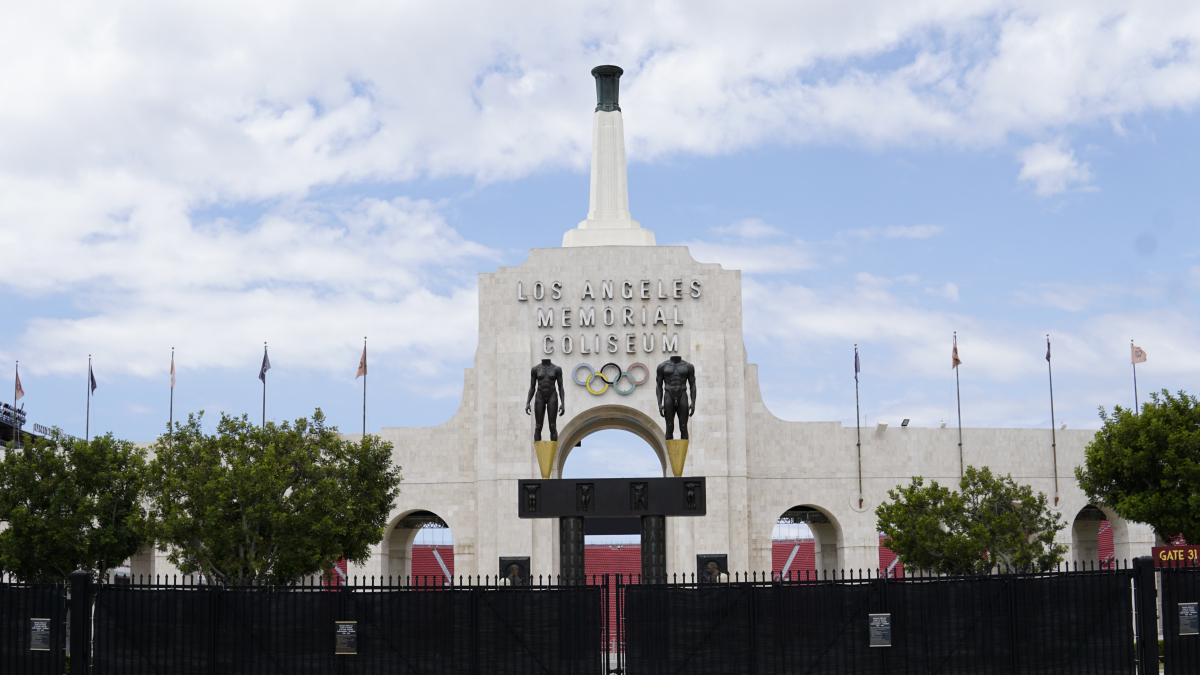
The open-air bowl of the Los Angeles Memorial Coliseum has long been the backdrop to breath-taking athletic performances. Behind the scenes, it is also one of the most sustainable stadiums in the US, with an award-winning record of keeping game-day waste out of landfill. But the century-old venue faces new challenges as climate change rewrites the rules of sport.
Read the article here.
The outlet Climática published a Spanish version of the profile, which can be found here: ¿Puede un estadio centenario ser referente en sostenibilidad? El caso del Coliseo de Los Ángeles
ANALYSIS | Los Angeles works to shed its car-centric identity as “transit-first” Olympics approach
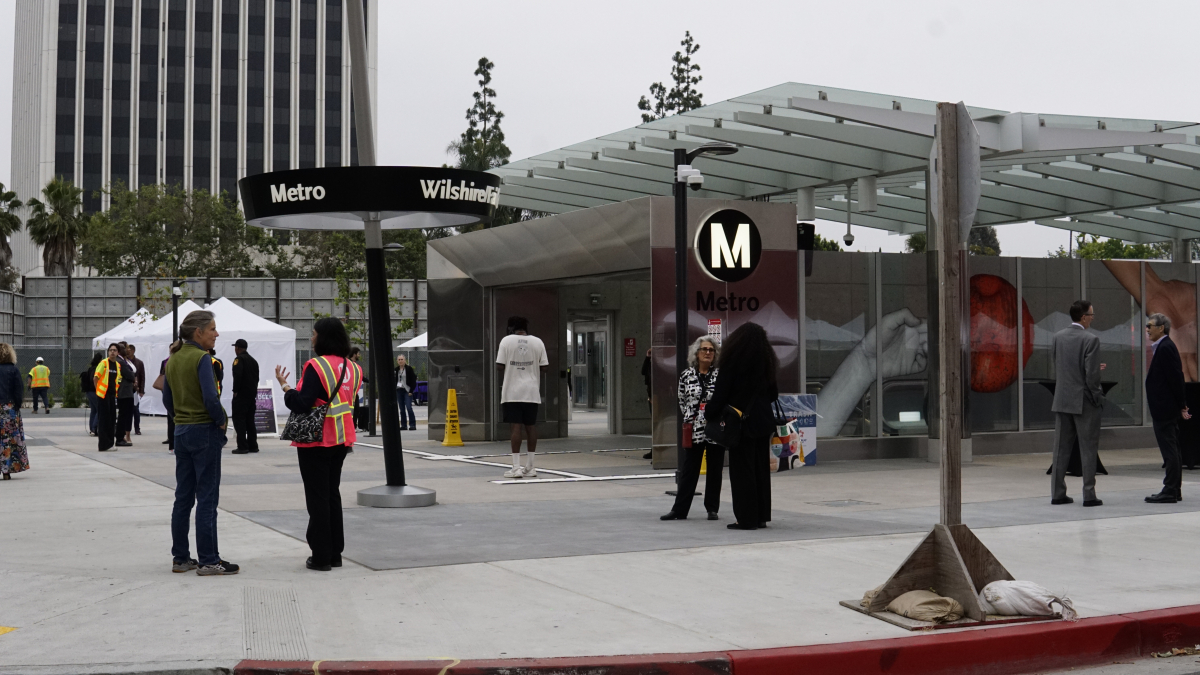
LA’s bold vision for a “car-free” Olympics has settled into a more achievable “transit-first”, still a remarkable feat for a city built around the automobile. The 2028 Olympic Games could leave behind a legacy of cleaner air, a greener bus fleet, and better bus shelters, yet slow planning and a lack of money have quashed the most ambitious plans, while car travel remains convenient and negative perceptions of public transport abound. How far Los Angeles gets matters well beyond sporting events.
Read the article here.
A German version of this article was published in Tagesspiegel Background (Verkehr & Smart Mobility): Olympische Spiele in Los Angeles: 2028 ohne Auto zu den Wettkämpfen
Read a Spanish version of the article on Climática here: Los Ángeles busca transformar su cultura automovilística a través de los Juegos Olímpicos
ANALYSIS | Trump’s shadow looms large over Los Angeles 2028 Olympic green ambitions
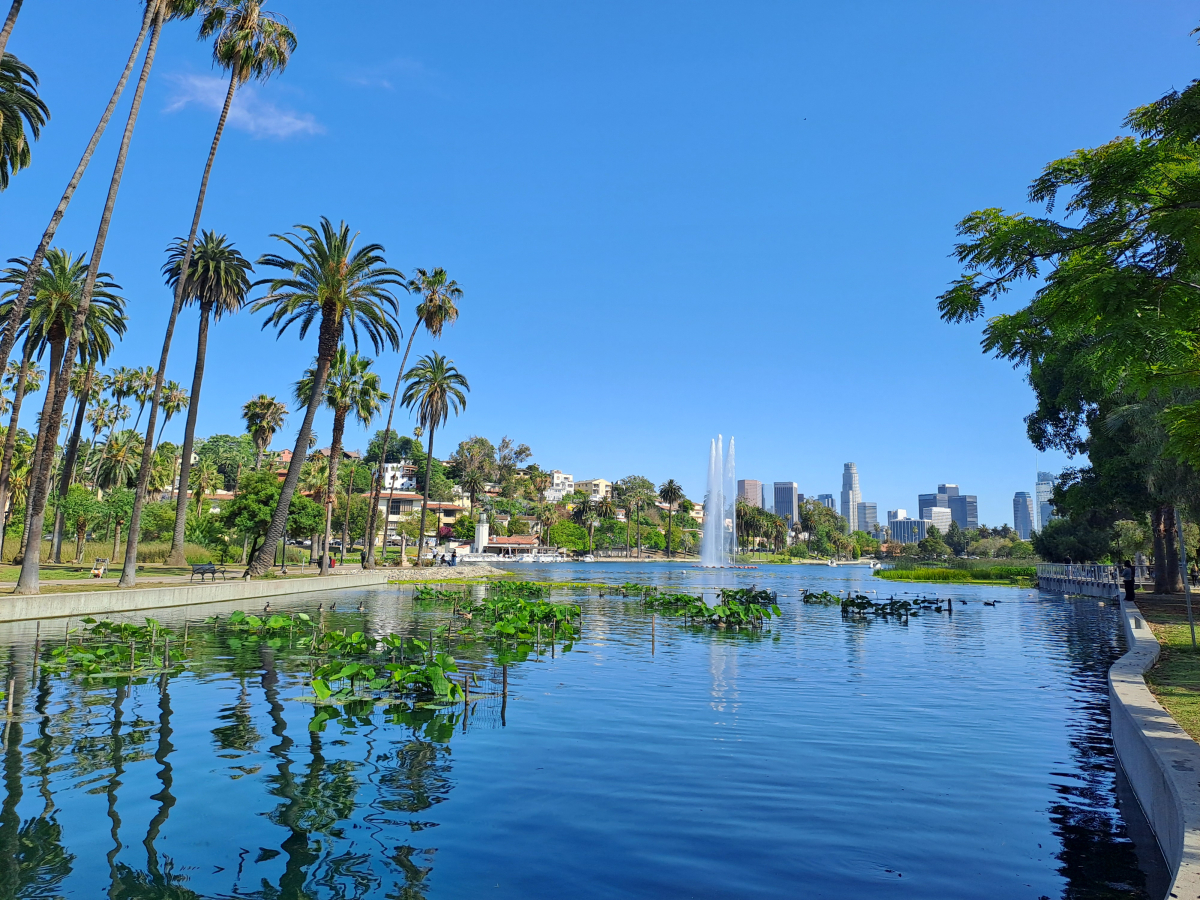
With two years to go until the 2028 Olympic Games in Los Angeles, corporate backers that organisers are counting on are wary of angering US president Donald Trump by championing green causes. The Olympics need to reduce their climate impact and leave a positive sustainable legacy behind, yet preparations are happening in an environment where ambition is shunned rather than celebrated.
Read the article here.
A Spanish version can be found on Climática: La sombra de Trump se cierne sobre las ambiciones ecológicas de los Juegos Olímpicos de Los Ángeles 2028
ANALYSIS | Los Angeles turns “most polluting” World Cup into Olympic rehearsal in bid for climate legacy

The stakes are particularly high for Los Angeles as the FIFA World Cup unfolds. The city is testing heat and transport plans against an influx of global sports fans, which should both inform Olympic decisions and help it cope with growing climate risks. The reality on the ground shows a complex web of challenges and missed opportunities to increase ambition, yet LA still has two years before the Olympic torch arrives.
Read the article here.
AufRuhr Magazin published a German version of this article: Von der Fußball-WM zu Olympia: Los Angeles im Hitzetest
A Spanish version can be found on Climática: Los Ángeles o cómo usar el Mundial de preparación para los Juegos Olímpicos y el cambio climático
It was also published by US-based newsroom Grist: Los Angeles turns ‘most polluting’ World Cup into Olympic rehearsal in bid for climate legacy
INTERVIEW | Climate change outpacing athletes’ ability to adapt, world of sports must act – researcher

Climate change is threatening sporting events around the world. For athletes, rising global temperatures come with direct and indirect consequences for their health, from lost focus in scorching temperatures to constant hay fever symptoms, said sports sociologist Sven Schneider. As risks increase, athletes alone cannot tackle the challenge, he told Clean Energy Wire. Venues, organisers and coaches must supplement individual efforts with structural action, as the sports world has been slow to adopt protective measures. But transferring established health and safety principles from other industries to competitive sport can ensure elite performances can carry on into the future, Schneider said.
Read the interview here.
PODCAST | Los Angeles faces climate questions ahead of 2028 Olympics

For the first time, CLEW reporting is available in audio format with Episode 1 of our new partnership with FORESIGHT Climate and Energy, a leading podcast and media platform covering the global clean energy transition.
In our first episode, correspondent Caro Kyllmann sits down with FORESIGHT's Sam Morgan to share the early findings of a month of research in LA – exploring how mega-sporting events must evolve in the face of climate change, and what this means for the cities that host them.
Listen to the first episode here.
WEBINAR (23 June) | Climate change meets sport: Los Angeles gears up to host Summer Olympic Games

Over five billion people are expected to watch the 2028 Olympic Games, but their climate angle may not receive the attention it deserves. As Los Angeles prepares, it faces a critical challenge: can the Olympic preparations increase climate resilience, drive new mobility patterns, reshape urban policy, and reimagine sporting events? Organisers said that the next Olympics could become a model for what a more sustainable global event can look like, and pledged to use only existing or temporary venues as well as minimise car use. Still, questions remain: are these efforts enough to strengthen resilience ahead of the next climate disaster? Can the Olympics continue to provide a stage for athletic prowess in the face of climate change? And how do wildfire recovery efforts interact with the pressure to put on a standout global show?
Join CLEW correspondent Carolina Kyllmann, returning directly from the city with her first-hand investigation, Climate Home News journalist Joe Lo, who has reported on the threats climate change poses for athletes, and by LA-based journalist Alissa Walker, who at Torched extensively covers the city's mega event planning and urban infrastructure changes, as they go over these questions.
Sign up to attend the webinar, part of the London Climate Action Week (LCAW), here.